Some Gospel Women and I
Lent 3; John 4:5-42
When I was studying theology,
but not yet accepted as an ordinand,
an appointed leader told me
I was not conservative enough
to become a parish priest.

A few years before I retired
as the associate priest in a parish,
a disenchanted ordination candidate,
commenting on my preaching,
thought that in the climate of her time
I would not have been accepted.

It’s no wonder that I am drawn
to the stories of unconventional women
whom Jesus valued and encouraged:
like his mother Mary, a prophet,
who said God dethrones the mighty
and lifts up the poor and lowly.

I think of the Syro-phoenician woman
who pursued Jesus into a private house
where she challenged ethnic prejudice
and wouldn’t take “no” for an answer.
By speaking the word of reason
despite initial rejection
she gained healing for her daughter
and thus for many women.

A woman dared crowds and taboos
to touch Jesus’ cloak and be healed,
freed of bleeding and imposed isolation.
He called her daughter and said
her faith had made her well.
Another woman he set free
of a spirit that had kept her bent over
for eighteen long years. Then she stood
up straight in the synagogue
and spoke out undeterred by convention,
praising God with Jesus beside her.
There was Anna, the prophet in the temple,
who recognized Jesus as a baby,
praised God and spoke about this child
to those who looked for their redemption.
I give thanks for the courage of such women.

I honour the sisters Mary and Martha,
female disciple and outspoken matriarch!
Martha recognized Jesus as Messiah
and Mary (or someone left nameless)
was the woman who anointed Jesus
in such a prophetic and pastoral ritual
despite the scorn of male disciples.

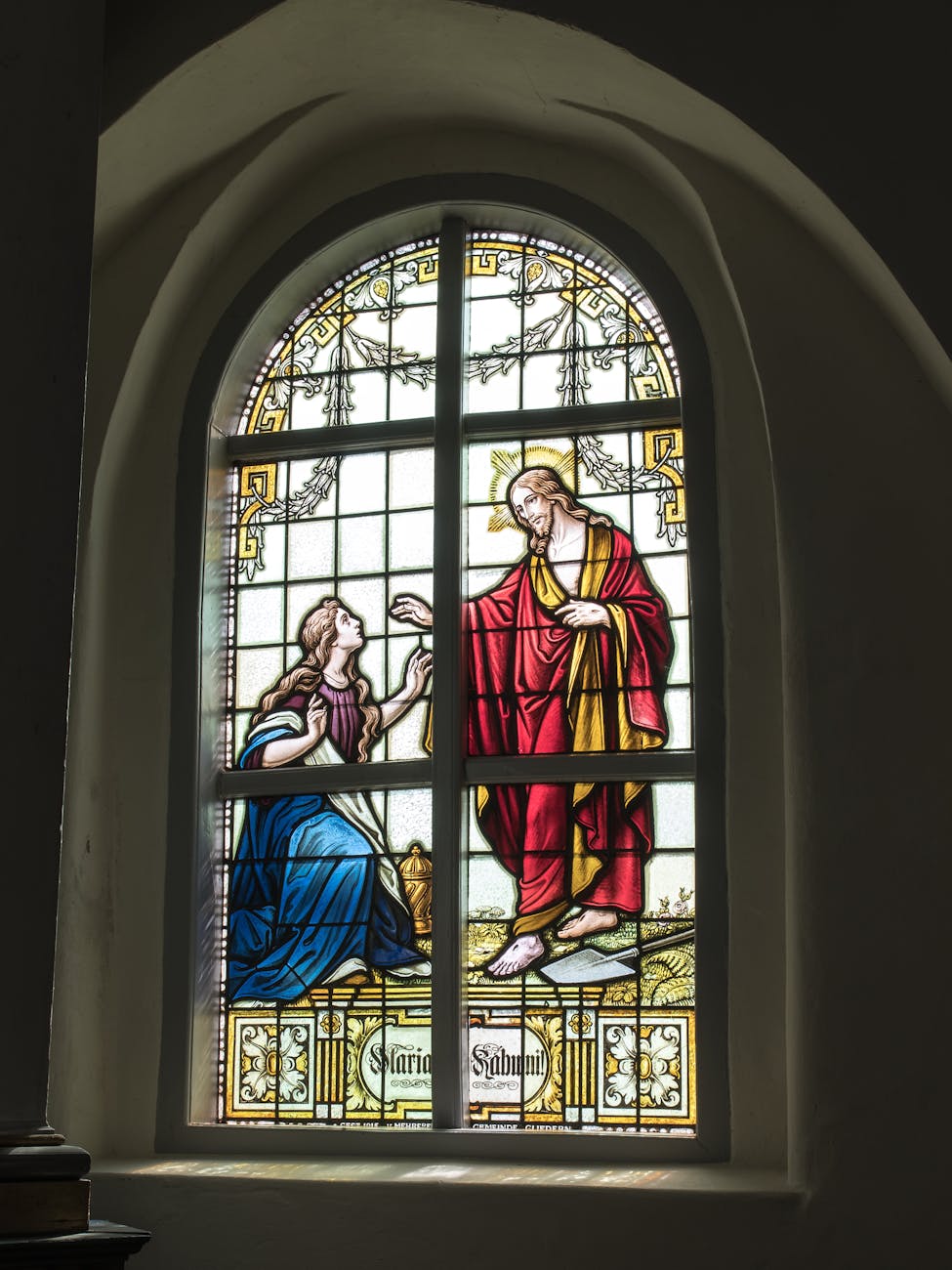
I read gladly of Mary Magdalene,
released from her demons,
supporter of Jesus’ ministry,
witness of the resurrection,
commissioned as apostle to the apostles.
I reflect on the Samaritan woman
who met Jesus at the well at noon.
When he asked her for a drink she challenged
the barriers of gender and ethnicity.
He discerned her promiscuous lifestyle,
yet she dared to debate him on theology,
said she looked for the coming Messiah
and was told that she had found him.

In her story in John’s gospel, it is written
that many Samaritans believed in him
because of this woman’s testimony:
“He told me everything I have ever done.”
She used what had caused her rejection
to become a source of connection
and was proved an effective evangelist,
although probably not conservative enough
to have been a parish priest.
	Barbara Messner 5/03/2026
 Barb, poet priest
Brilliant, especially the last paragraph!
LikeLike