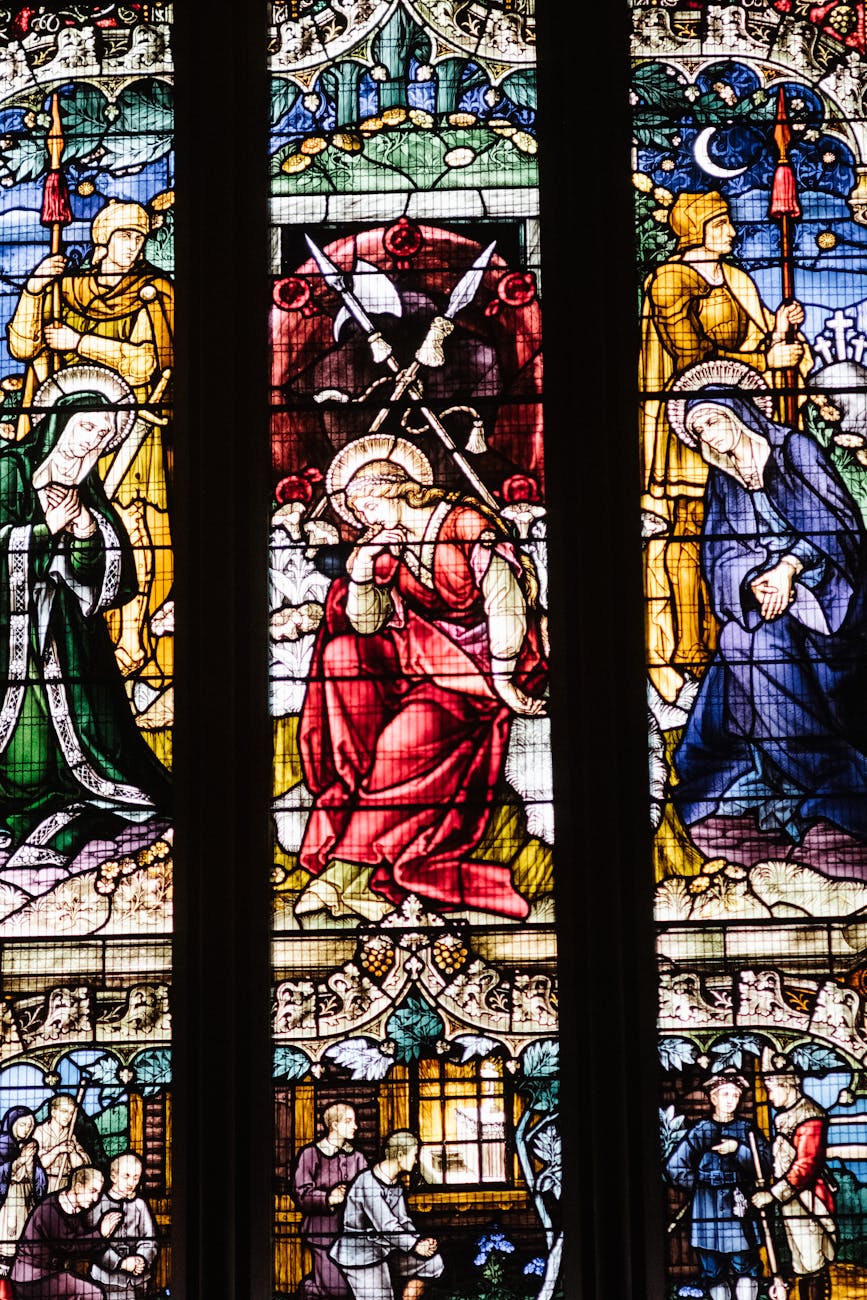
Experience of Resurrection
Easter Day; Matthew 28:1-10
I have not hurried, as day dawned,
feeling earth quake, the tomb undone,
yet I have felt that stone roll back,
tomb become womb in light of sun.

I have not heard the angel say:
“Don’t be afraid, he is not here!”,
yet I can tell that he is raised -
in sacred story he comes near.

There women met him, heard his voice,
reached for his feet, washed with their tears.
Like them, I hear him say: “Don’t fear!”
I go to tell and he appears.

I know what meaning his life gives,
how he transformed my grieving days,
how I have grown beyond my fears,
songs I had lost now ring with praise.

This is my sign of empty tomb:
I am transformed to go and tell.
Sometimes it feels like thorns and nails,
yet through it all he makes me well.
	Barbara Messner 1/04/2026
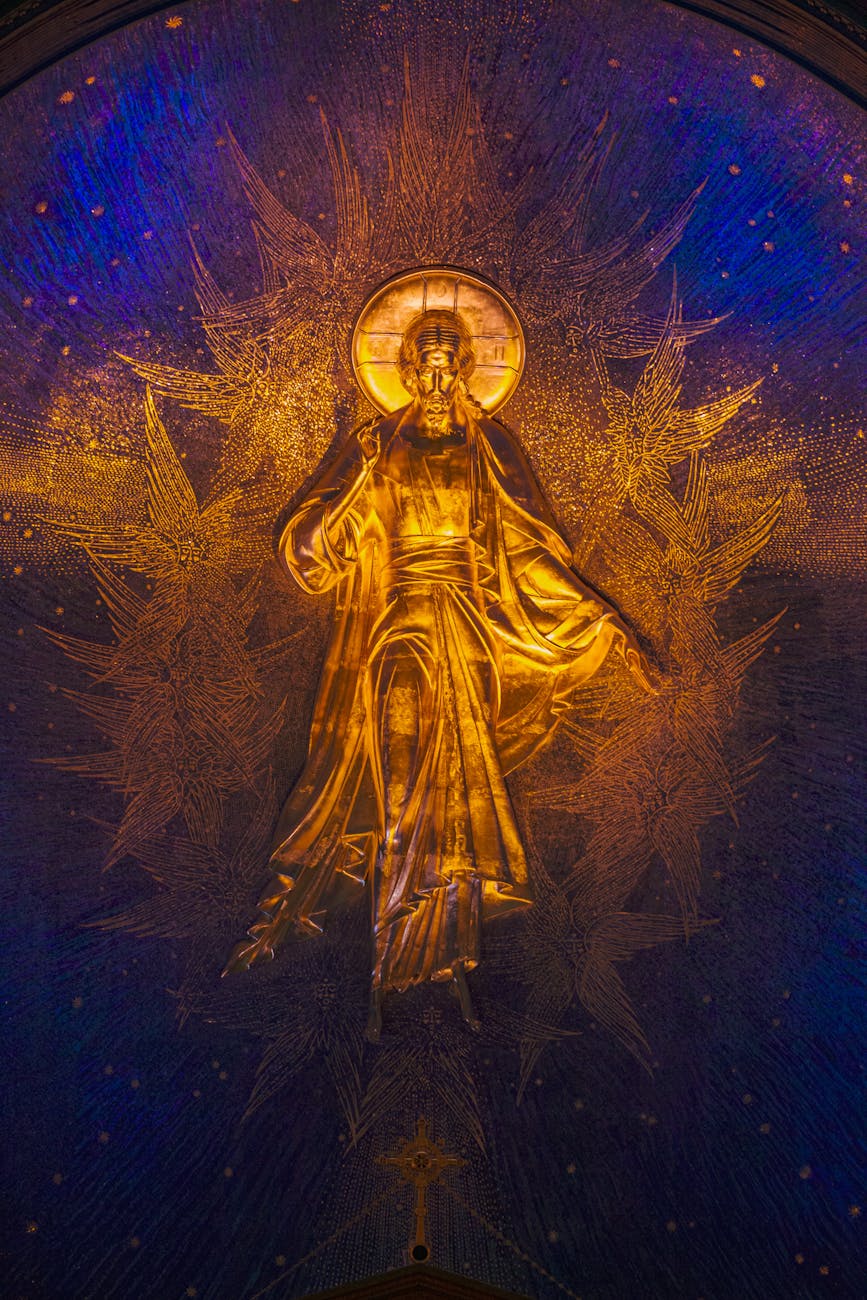
Dawn on Us Risen Christ
Dawn on Us Risen Christ
Easter Day
How we long for the coming of some Easter dawn
where the cross and the tomb do not have the last word,
where no children lie dead amidst bomb shattered stone
and where mercy can rise despite power grown absurd.

The false trappings of empire have long bit the dust
but the wanna-be emperors still hold their sway.
They still trample the innocent under their boots
and they crucify those who would show a new way.

Loving God, topple mightiness, lift up the poor!
Risen Christ, speak our names in the garden of Earth!
Healer, raise those now deadened by rantings of power!
Teacher, show us how gentleness guides us to birth!

O Lord, sometimes our prayers seem mere self-soothing words
and our set forms of worship familiar at best.
Let the Spirit breathe life into faith’s drying bones,
inspiration to waken a world so distressed!

Lead us out to your dawn after this grieving night!
In our minds’ gaping tombs let our tears turn to praise,
for creation is fashioned so death turns to life
and the bleakest of nights might bring brightest of days.
	Barbara Messner 31/03/2026
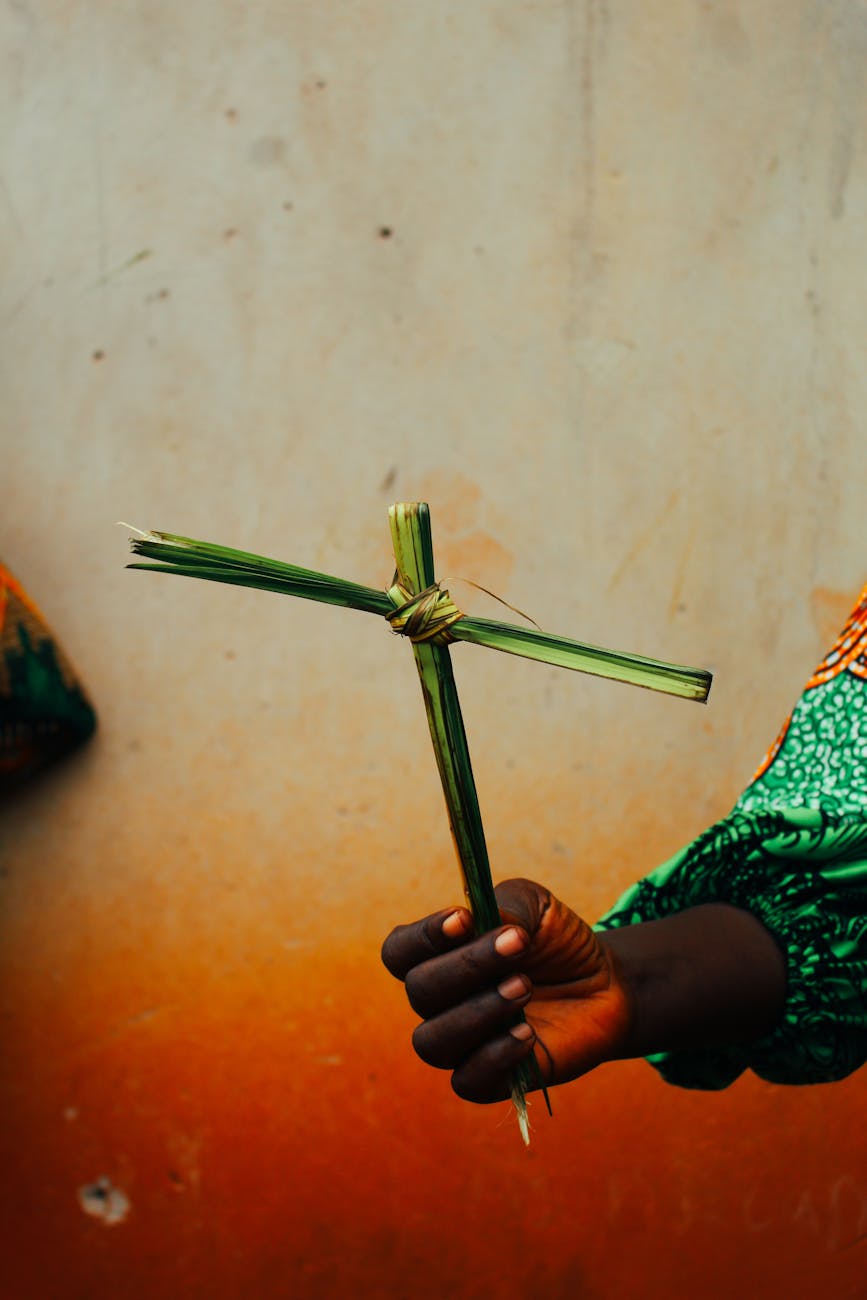
Palm Sunday, Passion Sunday
Palm Sunday, Passion Sunday
Lent 6; Matthew 21:1-11, Matthew 27:11-54
Crowds like to gather,
cheer and make noise,
shout loud hosannas
when their team scores.
Crowds’ praise is fickle:
sledging and boos
spread like pandemics.
Outsiders lose.

Man on a donkey
crowds hail as king.
Same human crucified -
scorn and thorns sting.
Cave to peer pressures –
God sent to die.
Flog him and mock him –
taunts drown his cry.

Gunfire and bombing
deafens the ears.
Deaths are statistics,
filing the tears.
Victim most godly
hears them and sees,
suffers their tragedies,
voices their pleas.

Mobs become predators!
One meeting one
might see in other’s eyes
sister or son.
Crowds sloganize the walls.
Silence is bare.
Honour One sent to us!
Listen and share!

Gather in harmony!
No need to crowd!
Value community,
no voice too loud!
Stand firm against the tide!
Pray for the dawn!
To those who show the way
others are drawn.
	Barbara Messner 25/03/2026
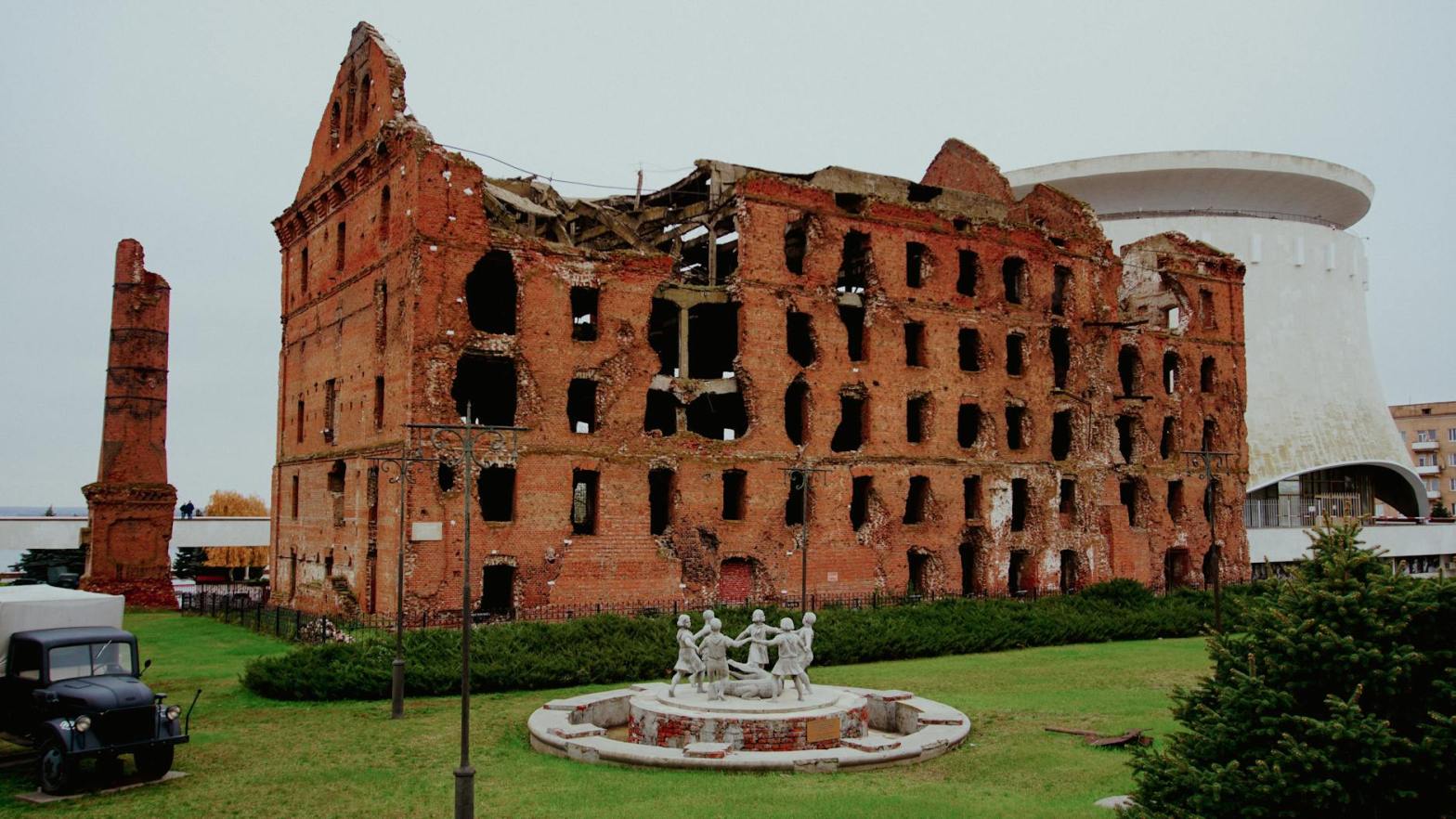
As Jesus Wept
As Jesus Wept
Lent 5; Ezekiel 37:1-14, John 11:1-45
As Jesus wept for friends, for death, for grief,
and still called out to one entombed: “Come out!”,
we likewise grieve for wars without relief
and long to hear Christ’s bold restoring shout.
So many dead and homes and land laid bare!
We pray the Spirit might inspire this cry:
“You shattered lands, leave war behind and dare
to rise from that scorched earth on which you lie!
Connected, lifted up, your people sigh
as Spirit wind restores their living breath!”
How Jesus wept and prayed he need not die!
Like us, he feared his suffering and death,
but sharing all with us, he dared the cross,
and from his tomb, new life sprang out of loss.
	Barbara Messner March 2020 altered 2026
To See or Not To See

To See or Not to See
Lent 4; John 9:1-41
Surely we are not blind, are we?
We can see on our screens
all manner of enticements
to alleged healing or debauchery
and are encouraged to purchase
what we see and read about,
with no personal contact or experience.
We can watch people suffering
from war and catastrophe,
from prejudice and tyranny
and we glance, grimace and forget,
reassured of our blinkered immunity,
as we eat the microwaved meals
we scarcely taste or enjoy.

But do we ever see and wonder
at the infinite detail and intricate life
of natural country, or share the vision
of those who have lived in harmony there
with 60,000 years of wisdom stories and songs?
Some adventurers roar through such land
in four-wheel drives, vehicle and driver
displaying toughness, conquering adversity,
but what of silent walking, observing,
listening, honouring otherness and relationship,
in harmony with spirit and with beings?

Is that the restoration of our occluded sight
that might come from a mixture of earth
and spittle applied by the rejected healer
and the wake-up splash of water
welling up from the depths
or sent from the heavens?
Rejoicing in this gift of awareness,
we might at last embrace the vision
of Earth and people returning
to creation’s intended sharing and respect,
and the joy and sustenance
of heart-felt praise and worship.
	Barbara Messner 11/03/2026
Some Gospel Women and I
Some Gospel Women and I
Lent 3; John 4:5-42
When I was studying theology,
but not yet accepted as an ordinand,
an appointed leader told me
I was not conservative enough
to become a parish priest.

A few years before I retired
as the associate priest in a parish,
a disenchanted ordination candidate,
commenting on my preaching,
thought that in the climate of her time
I would not have been accepted.

It’s no wonder that I am drawn
to the stories of unconventional women
whom Jesus valued and encouraged:
like his mother Mary, a prophet,
who said God dethrones the mighty
and lifts up the poor and lowly.

I think of the Syro-phoenician woman
who pursued Jesus into a private house
where she challenged ethnic prejudice
and wouldn’t take “no” for an answer.
By speaking the word of reason
despite initial rejection
she gained healing for her daughter
and thus for many women.

A woman dared crowds and taboos
to touch Jesus’ cloak and be healed,
freed of bleeding and imposed isolation.
He called her daughter and said
her faith had made her well.
Another woman he set free
of a spirit that had kept her bent over
for eighteen long years. Then she stood
up straight in the synagogue
and spoke out undeterred by convention,
praising God with Jesus beside her.
There was Anna, the prophet in the temple,
who recognized Jesus as a baby,
praised God and spoke about this child
to those who looked for their redemption.
I give thanks for the courage of such women.

I honour the sisters Mary and Martha,
female disciple and outspoken matriarch!
Martha recognized Jesus as Messiah
and Mary (or someone left nameless)
was the woman who anointed Jesus
in such a prophetic and pastoral ritual
despite the scorn of male disciples.

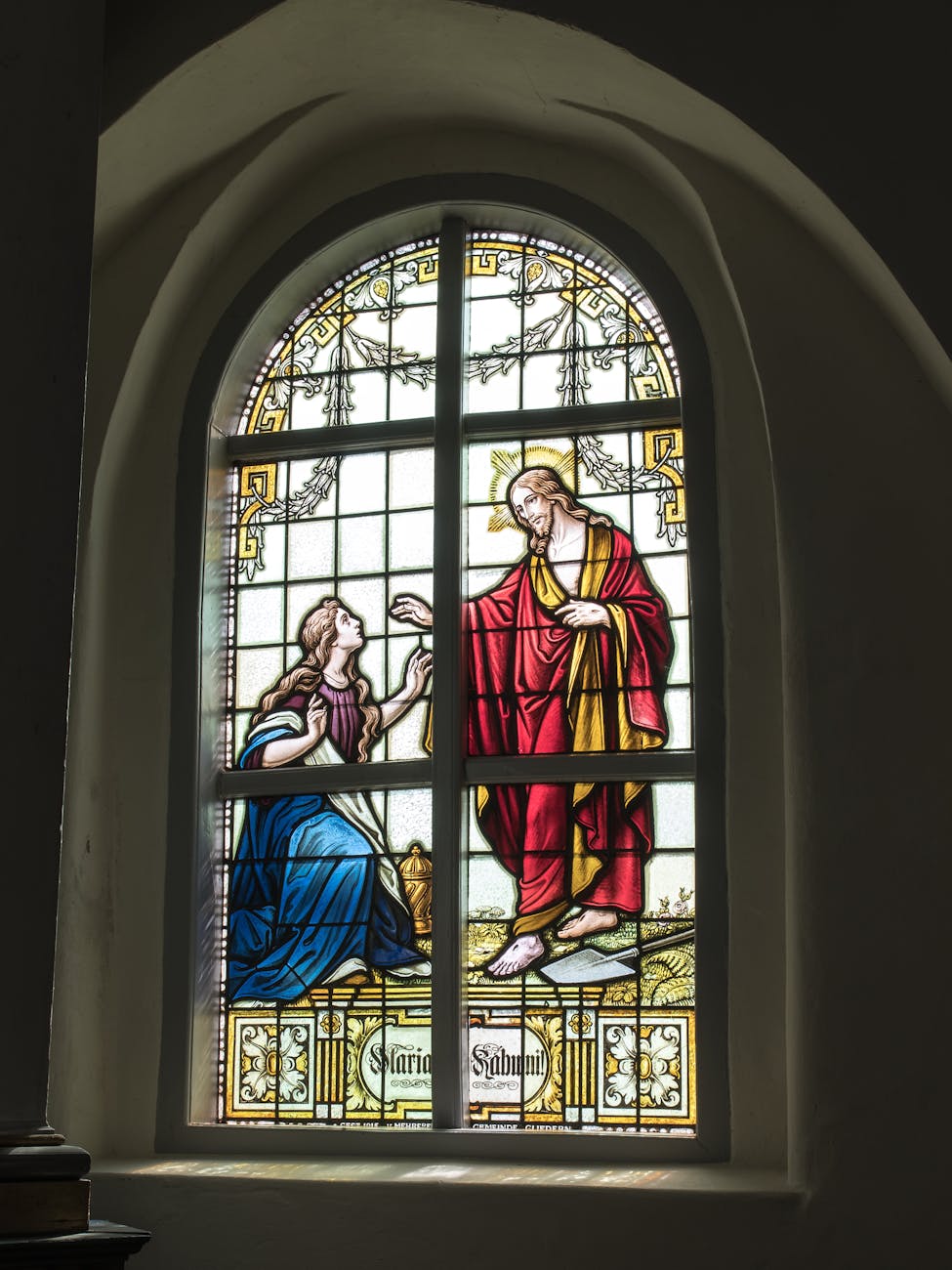
I read gladly of Mary Magdalene,
released from her demons,
supporter of Jesus’ ministry,
witness of the resurrection,
commissioned as apostle to the apostles.
I reflect on the Samaritan woman
who met Jesus at the well at noon.
When he asked her for a drink she challenged
the barriers of gender and ethnicity.
He discerned her promiscuous lifestyle,
yet she dared to debate him on theology,
said she looked for the coming Messiah
and was told that she had found him.

In her story in John’s gospel, it is written
that many Samaritans believed in him
because of this woman’s testimony:
“He told me everything I have ever done.”
She used what had caused her rejection
to become a source of connection
and was proved an effective evangelist,
although probably not conservative enough
to have been a parish priest.
	Barbara Messner 5/03/2026
How Can These Things Be
How Can These Things Be
Lent 2; John 3:1-17
Reflect on this encounter in the night -
a literal mind tests signs and teaching heard.
The Rabbi Jesus speaks in metaphor
to lead to truth beyond the factual word.

This Pharisee comes seeking something new:
his walls of laws begin to seem too tight
like mother’s womb to baby ripe for birth,
but still he mocks, lest “born again” prove right.

He’d rather cite the limits of the flesh,
for Spirit seems too nebulous, untamed.
What would he be if he were Spirit born?
What of respect and leadership he’d claimed?

This Jesus says he speaks of what he knows -
does that rings true? Is “God with us” much more
than Nicodemus dreamed, his world made new
and God more loving than he thought before?

If one beloved of God can give his life
to save the world, not righteously condemn,
then how did “born again” become a term
applied to label sides as “us” or “them”?

If God is love, then “others” are all “us”,
progressive and conservative are one
and we might find in world-wide holy books
the love and mercy shown us by God’s Son.

The Spirit like the wind moves where it will,
we don’t know how it comes or where it goes.
Responding in the moment, we are changed
as wind shapes trees to bend the way it blows.
   Barbara Messner 25/02/2026
Redemptive Choices in the Wilderness
Redemptive Choices in the Wilderness
Lent 1; Matthew 4:1-11
The Spirit leads us to the wilderness
when worldly thoughtless ways hold us in thrall.
Temptation and privation curse or bless.
We stumble from our sleep at wake-up call.

It may be failure that will make us search
to redefine the bounds of who we are.
The wrong success can knock us from our perch –
the ladder slippery and the climb too far.

Sometimes when we have landed on the rocks,
we find our self-dazed vision graced by stars.
When we refuse to heed the voice that mocks,
some key we always held unlocks our bars.

We smell the bracing scent of desert sage
that clears the mind of money-making smog.
We turn to wisdom from a sacred page,
respect the nature of each stone and log.

Things aren’t made solely for our kind to use -
they’re part of Earth’s design in their own right.
Each fallen tree small animals can choose
to hide them from the soaring raptor’s sight.

Let songs of Earth stir music in our soul:
we’ll treasure every leaf and fragile flower.
We’ll glimpse in harshest lands a living whole,
eternity made present in each hour.

Then hunger sets aside temptation’s meals,
and loneliness need not attract false praise,
we’d rather know how being helpless feels
than choose the power the evil one displays.

Then false Satanic promises are left
to wither on the desert’s burning sand.
The tempter leaves, of this wise prey bereft,
and angels wait on one who makes a stand.
	Barbara Messner 18/02/2026
Radical Advice from Jesus’ Wisdom Teaching

Radical Advice from Jesus’ Wisdom Teaching
Epiphany 6; Matthew 5:21-37
To deal with anger without harm
might put an end to war
and hostile forces could disarm
and give up keeping score.

If insults could be set aside,
the stranger seen as kin,
then hells of hatred and of pride
would cease and peace begin.

When sides contend, be reconciled
and find that both can win.
Seek compromise that’s fair and mild:
let grace and calm come in.

Don’t act on lust and guard your eyes:
don’t look with leering gaze.
Respect the other and be wise
to walk in godly ways.

In partnerships, communicate
before the bond turns sour!
Seek insight so you both relate
without abuse of power.

Respond to others as you would
that others might treat you.
No quarrels! Seek the common good!
Let Christ in you make new!
	Barbara Messner 12/02/2026
Salt of the Earth, Light of the World

Salt of the earth, light of the world
Epiphany 5; Matthew 5:13-20
If we, like salt, bring savour, and conserve
the earth, can we retain that quality?
Will words that sparkle on the tongue preserve
creation’s rights, and battle entropy?
If we are light that’s set upon a hill,
can we remain connected to a power
that through all blackouts keeps light burning still,
a glow of promise in the darkest hour?
If God’s commandments are our salt and light
to share with others in our dubious world,
how might we read that compass in the night,
and in the tempest, hold that map unfurled,
until like prisms, hearts share rainbow light,
while fields of salt beneath the sun flare white.
Barbara Messner February 2020


This is an old one. I have a Sunday off and my mind needs a rest.
 Barb, poet priest