
My Song of Songs
Pentecost 14, Song of Songs 2:8-13
What if
God who loves is also lover
and I and every living thing
and even rocks and suns
are the Beloved
and longing and belonging is our song.

And what if
Eros and “I AM” are one
and I-Thou runs deep in every atom
and relationship is all there is
and the sacred craving to come into relationship
is the stuff of body and soul
of gravity and magnetism
of one dark woman with one shepherd-king
of I myself with (my god!) My God.

And what if
a community struggling for unity
and a mystic embracing emptiness
and a lover desiring consummation
and an ascetic straining for chastity
and a people wrestling with covenant
and a carpenter facing crucifixion
are truly all united in the one metaphor
show forth their meanings in the one parable:
the Kingdom of Heaven is like this:
the knowing that embraces all
the singing of a song of love
the Song of Songs.
Temples Come Temples Go
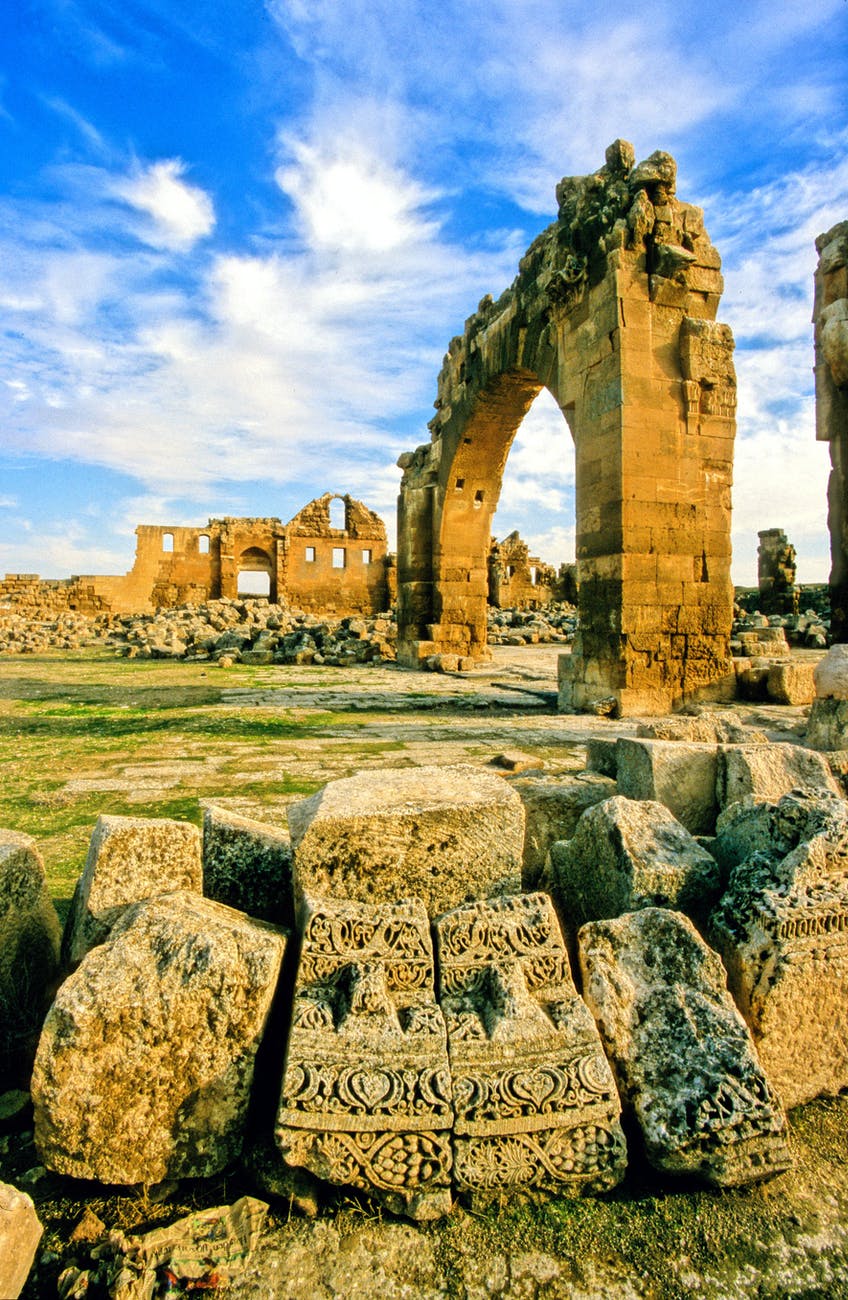
Temples Come, Temples Go
Pentecost 13, 1 Kings 8:1,6,10-11,22-30,41-43; John 6:56-69
King David imagined a house for the Lord:
it would have been visible gift and reward.
The prophet came back with God’s word of delay:
“Let Solomon take up this dream in his day!”

Stone walls lined with cedar encrusted with gold
would stand as four centuries’ stories unfold.
The beauty created for that time and place
was broken by Babylon, leaving no trace.

When Jesus predicted their temple would fall,
those leaders decided to silence his call,
but forty years later, a litter of stones
was all that remained, like some dinosaur’s bones.

So let us imagine, and when time is right
it may be a dream will take flesh in our sight,
but can we let go of the forms of the past
when God calls us on to a new age at last?

Wise Solomon knew that the house they had made
with all of its beauty and meaning displayed
could never contain and define the divine –
God’s Spirit might take flesh in bread and in wine,

or come to fruition in one precious life
laid down as a gift when oppression was rife,
to rise like a temple rebuilt in three days,
the one who gives form to all meaning and praise.
	Barbara Messner 18/08/2021
Two Sonnets, one new, one old

Two Sonnets – one new, one old
Pentecost 12, John 6: 51-58


Flesh to Eat
How can this man give us his flesh to eat?
Not cannibals, communicants are we!
To give his flesh as bread subverts defeat,
forgiving our betrayals yet to be.
So often he disturbs our literal sense,
upsets convention, challenges what’s right,
and then must bear the brunt of our offence,
flesh broken, blood poured out, the looming night.
His body swallowed whole by death and tomb
is by his rising free for all to share:
to eat this bread will make in us the room
for flesh to mate with Spirit if we dare.
Then we will bear the Christ. Our hands and feet
will do his work, creation made complete.
	Barbara Messner 11/08/2021

I am, you are
I am, you are – such insight wisdom seeks,
and being meets with knowing in this Word.
Polemic, fact or fiction, vision, myth –
beyond these masks the Word of truth is heard:
I AM – beyond all matter’s bland disguise.
We see God’s face through Christ’s unflinching eyes,
and Christ through those that give his Spirit room
to breathe that vision, lit with Love’s surprise.
“I am the light,” – our darkness lightens there.
“I am the way,” and life becomes that walk.
“I am the bread,” and so our hungry hearts
are fed abundance far beyond the talk.
“I AM,” he says, and at the end, “I thirst!”
Out of the rock of death, life’s waters burst!
	Barbara Messner circa 2000
Living Bread
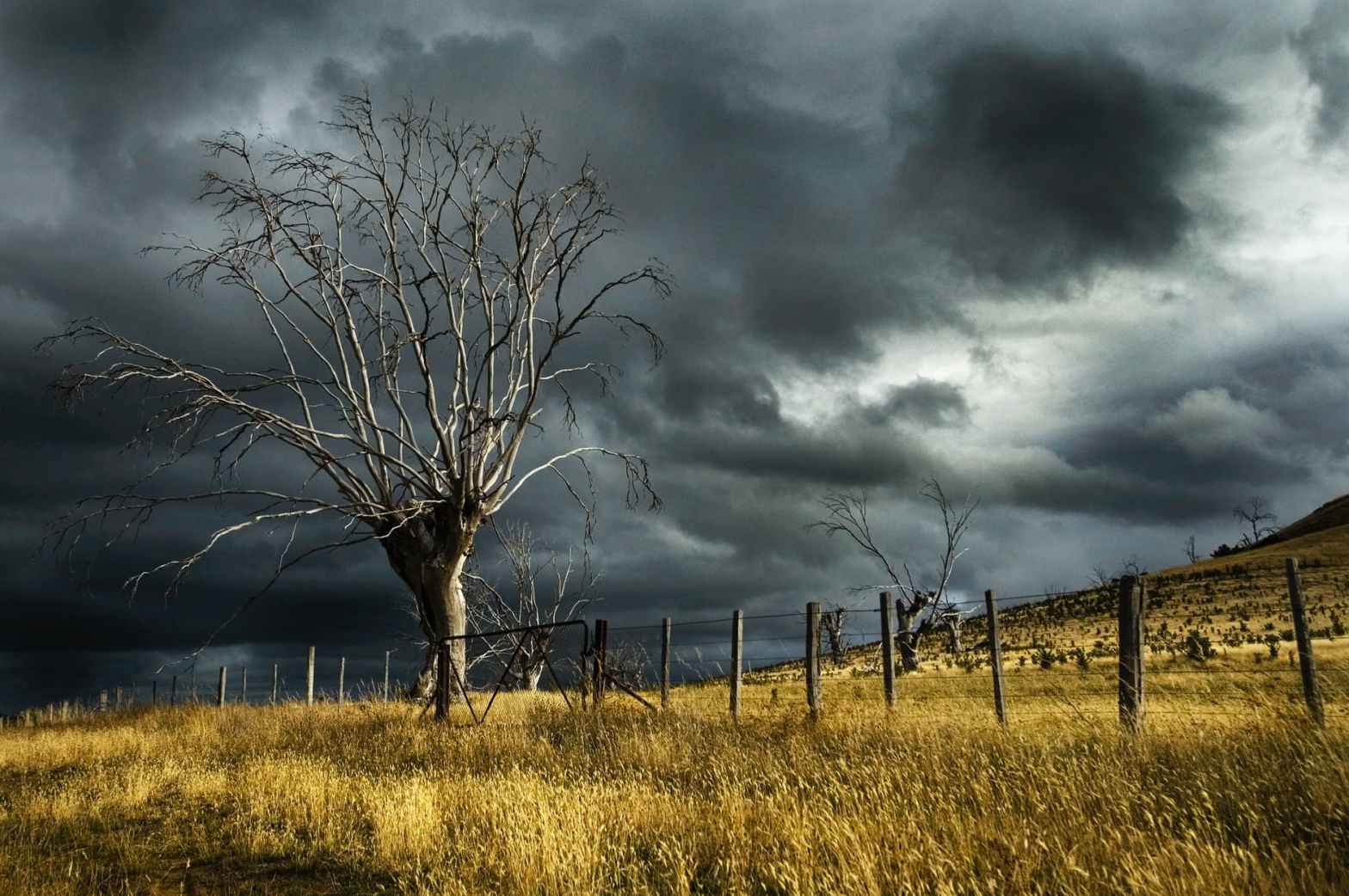
Living Bread
Pentecost 11, John 6:35;41-51
O bread of life, teach me to wait and rise,
for I am flat beneath these leaden skies.
The words I write are stodgy from the start –
no Spirit effervescence of true art.
I come to you, but hunger has grown dull;
I write of you, but know not what to cull.
My thoughts I judge parochial at best –
but you they thought too local to be blessed,
and what has come from heaven must find flesh
that looks like someone’s offspring, not made fresh.
Though we are drawn to God, we may not see
a splendour more complete than we can be,
and though you nurture us to live, not die,
we know not what that means, or how or why.
Praying My Age

When shadows lengthen,
and things that hide in shadows lurk,
be to me the shaft of light
that gilds me in surprise.
Colour my sky.

When evening darkens,
and landmarks blur within the murk,
be to me the eyes of owl,
that guide a seeking glide.
Charm me to fly.

When fog confuses,
and every move is heavy work,
be to me a well-known voice
that clearly calls my name.
Let me know why.
Home-made Bread

Home-made Bread
Pentecost 10, John 6:24-35
What compares
to home-made bread
freshly baked?

Someone stirs
and kneads the dough,
springy smooth
as living flesh.

Then we wait
to let it rise
somewhere warm;
punch it down,
shape and glaze.

Patience now –
let it rise
and be baked.
Then the scent
draws us in
as hunger stirs.

Eat it fresh
to feel fulfilled,
not just filled
as from neat
sliced and packed
shop bought loaves,
kept for toast.

Jesus is
the bread of life.
Let that bread
be made afresh
in our souls
and our world.
Stir and work
and it will rise.

Learn to wait
until it’s done,
when the scent
fills the room.
As we eat
and we share,
we arise,
now made one
with living bread.
Offering

Offering
John 6:1-15  (written c. 2005)
His heart went out to them
and he fed them,
hoping they would recognize:

that the satisfaction of hunger
lies in leaving accustomed
sustenance, and waiting for him
to come amongst them, waiting
in the open, in emptiness,
needing to meet him and share
whatever may be on offer.

People were fed,
but grew greedy
to depend on such providing.
They would have made him king
so they need never hunger again,
although need had brought them
there, where abundance was possible.

His heart went out to them
and he fed them,
offering self-emptying openness,
offering his very being, and hoping.


His heart went out to them
and he healed them,
hoping they would recognize:

that awareness of weakness
is the only strength required –
to desire enough to reach out
to the hem of his garments,
or call out to him by the wayside,
to be lowered to him through a crowd,
or singled out by him in the synagogue.

People were healed,
but grew greedy
to claim the power of restoration.
They would have made him king
so they need never hurt again,
although pain had brought them
there, where wholeness was possible.

His heart went out to them
and he healed them,
offering suffering compassion,
offering his very being, and hoping.


His heart went out to them
and he taught them,
hoping they would recognize:

that space is needed for growth,
and hollowness for listening,
inwardly, for the word, proclaimed
or silent, for the hallowed name
above every name, which is
unpronounceable, and yet a word
on every baby’s babbling lips.

People were taught,
but grew greedy
to possess and regulate the word.
They would have made him king
so they need never wander again,
although wondering had brought them
there, where wisdom was possible.

His heart went out to them
and he taught them,
offering receptive silence,
offering his very being, and hoping.


His heart went out to them
and he died for them,
hoping they would recognize:

that life rises up, reborn
from the tomb of emptiness,
from the space of utter abandonment,
where blood is poured out
and flesh broken open,
and the seeds of life thrown down
where the harvest might well be lost.

People were saved,
but grew greedy
to be spared the loss of dying.
They would have made him king
so they need never fail again,
although surrender had brought them
there, where resurrection was possible.

His heart went out to them
and he died for them,
offering body and blood,
offering his very being, and hoping.
Feeding Those Who May Not Gather
Feeding Those Who May Not Gather
Pentecost 9, John 6:1-21
Confined to quarters by a covid scare
no crowd can gather to be taught or fed –
not that they would, for pews are partly bare
on any Sunday, and though Jesus bled
for all, not many hear that read.

And yet a hunger lurks despite our meals
which tempt our taste buds with a world of spice.
We’re overfed, and yet it sometimes feels
like emptiness prevails. What foods suffice
to satisfy? What condiments entice?

Though Jesus came to heal, we need to name
the fevered state that threatens life on Earth.
Pursuit of profit cannot be the game
that dominates all sources of true worth,
and sets aside potential of new birth.

Now what have I to share to meet this need
that few acknowledge even in this hour
when illness spreads abroad with frightening speed
despite all these restrictions? Luck can sour
as swiftly as new strains of virus flower.

I try to offer what I have to share –
not loaves or fish – I write for him each word
upon this page. What sustenance is there?
A poem cannot even feed a bird,
yet in his hands it might not be absurd.

Such morsels he might turn to living bread.
He suffers with us, changing us, like wine
from trampled grapes. Now we are fed
by worship shared at home with friends online –
a virtual feast, still sign of the divine.
Our Need of Healing

Our Need of Healing
Pentecost 8, Mark 6:30-34, 53-56
What might we learn if we gathered to share
all we have taught and done?
Jesus would listen and help us discern
what we have lost and won.

Bodies can eat here, but souls are half-starved.
We come and go distressed.
He says, “Let’s go to a peaceful place,”
calming our breath to rest.

Ours not the worry of large hungry crowds:
sheep here admit no need.
Few now respond to the shepherd’s voice,
straying too far to heed.

Can we cross over to that other shore
where we might recognize
sickness of soul has infected the Earth?
Scales need to fall from eyes.

Heedless, prostrate in the marketplace,
stricken by what we buy,
where is the will to reach out to him?
Would we prefer to die?

Who can admit that we need to heal
country and air and seas?
We are consumed by consumer needs,
deaf to the word that frees.

Can his compassion encompass us,
teach us to turn and live?
He gave his life to enliven us
so we in turn might give.
	Barbara Messner 14/07/2021
Sacred Dance
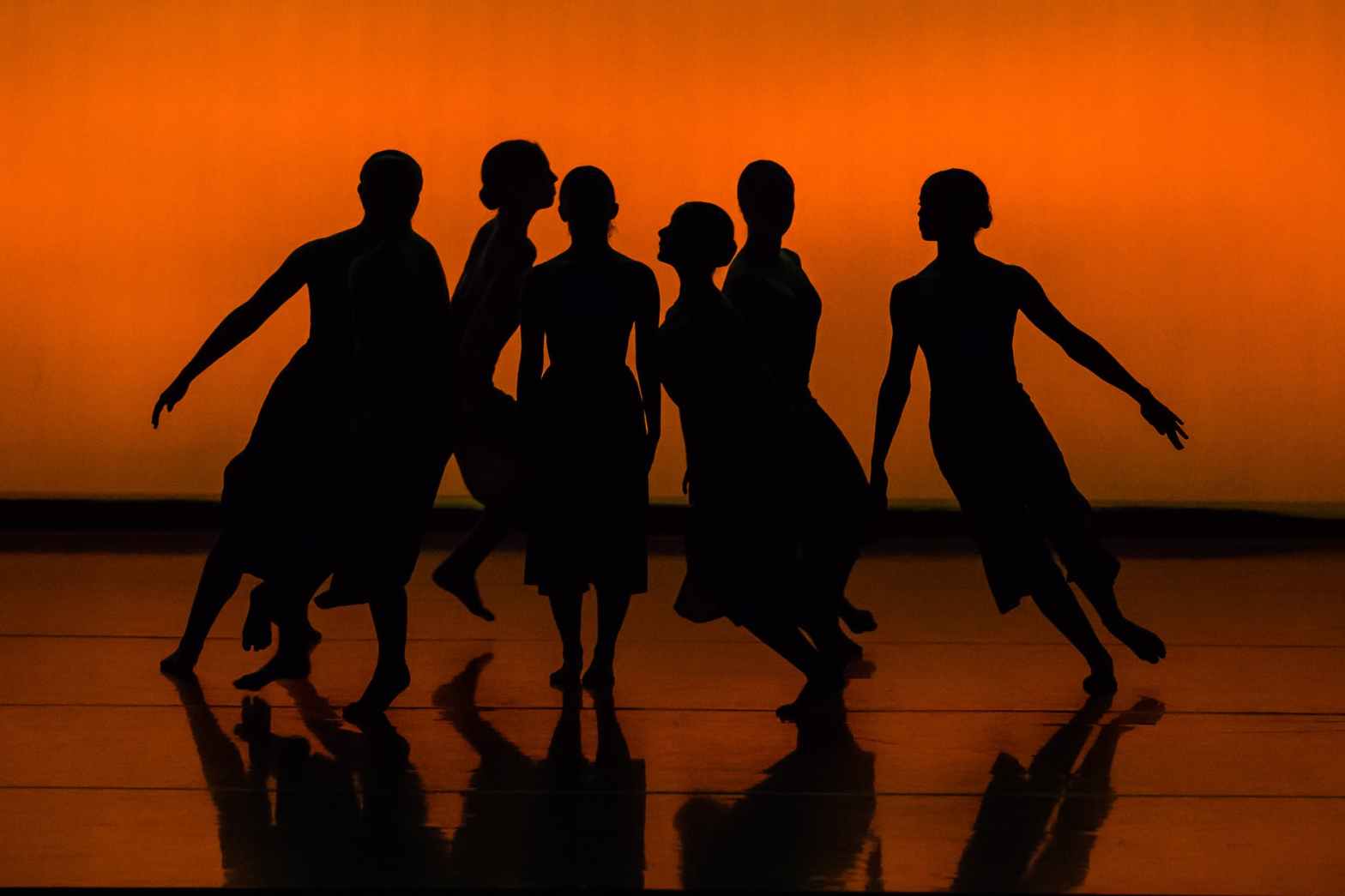
Sacred Dance
Pentecost 7, 2 Samuel 6, 1-5, 12-20, Mark 6:14-29
I have witnessed sacred dancing
that has stirred my very being:
wordless meaning that’s enhancing
prayer inspired by what I’m seeing –
spirit stirring, feelings freeing.

Yet our mainstream church disdains it,
though the censure is unspoken:
formal liturgy restrains it
into gestures that are token,
careful that no power is woken.

With exuberance, King David
danced before the Lord uncovered,
clad in nothing but an ephod.
Scornful wife at window hovered,
voiced past angers rediscovered.

When Herodias and daughter
used seductive dance, entrancing
king to order Baptist’s slaughter,
sex and politics were prancing,
poles apart from sacred dancing.

Yet religious fears have banished
all that dance might offer to us.
Shame in bodies has not vanished.
We’re unsure if what flows through us
might seduce us or renew us.

All the arts aspire to power
that can shake us or remake us.
Spirit gifts, abused, will sour;
linked to God, they stir and wake us.
Who can know where that might take us?

