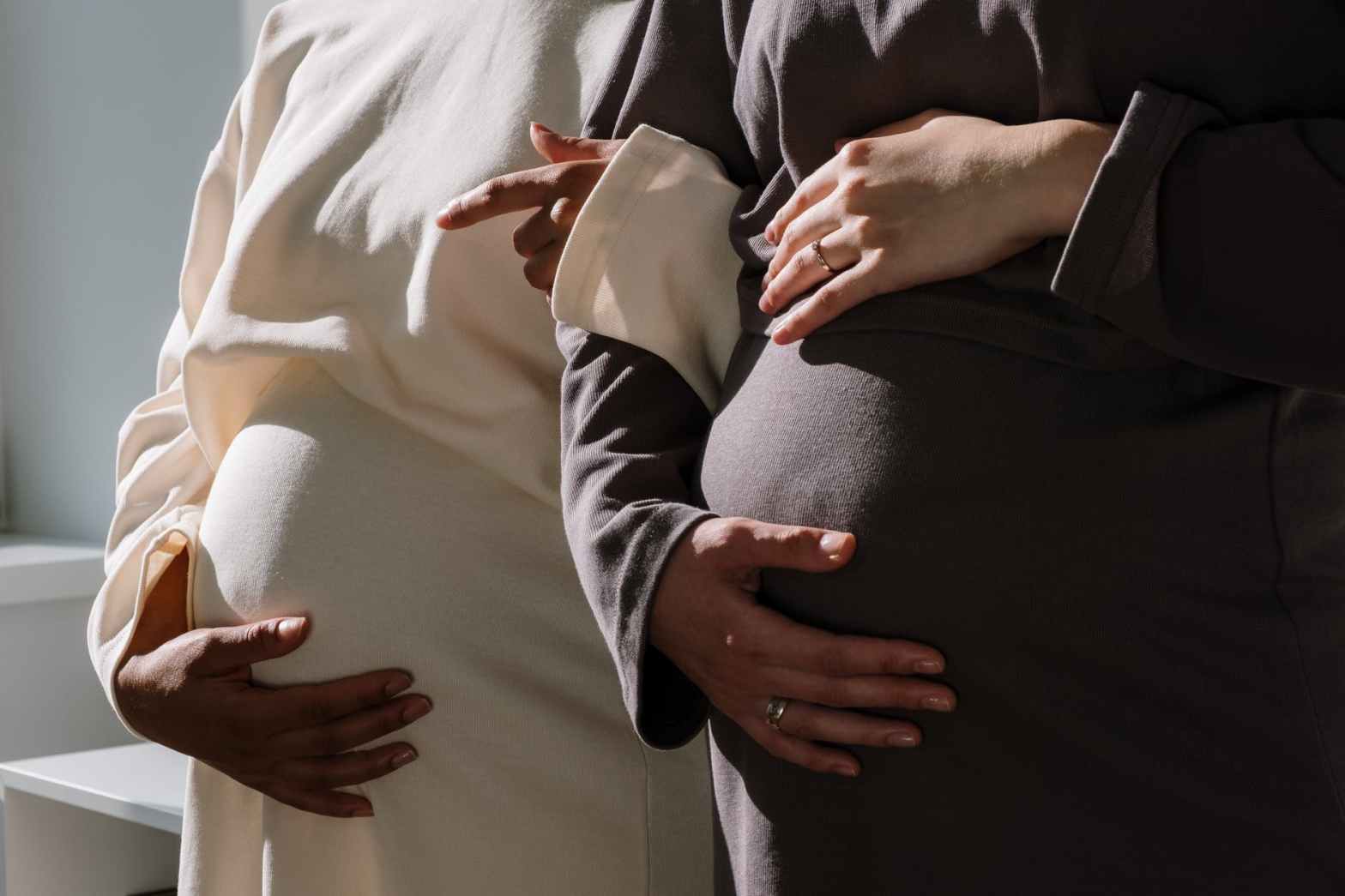
Elizabeth Greeting Mary
Advent 4; Luke 1:39-45
I call her blessed, and so it seems am I,
with new life growing in a womb long bare,
and though as victims both our sons might die,
their purpose justifies the risks they’ll share.
A fearless prophet waits to leave my thighs,
the one who’ll dare to shout “Prepare the way,”
while from my cousin’s angel blessed surprise
comes one who’ll bear the light of God’s new day.
The Spirit stirs when we two mothers meet:
we sense we bear the gifts that others need.
My baby leaps for joy; my life’s complete,
and in fulfillment, power to bless is freed.
God’s word comes pouring through us as we praise –
two women prophets, eloquent, ablaze.
	Barbara Messner 17/12/2021
Blessed among Women

Blessed Among Women
Advent 4: Luke 1:39-45
Then Elizabeth, filled with the Spirit,
said that you would be blessed among women,
but we struggle to see you here, Mary,
though we long to take part in that blessing,
in the God-bearer’s loving and knowing.
Come and teach us your gift of commitment:
“Let it be with me as God is saying.”

It is hard to relate to you, sister,
for our images do you no justice:
there’s Miss Anglo in blue with a halo,
or some icons surrounded by gilding
with your lap as a throne for the baby,
or the glass that is clear for the God-light
with no stain of identity showing.

Yet the Word is, we’re made in God’s image:
our uniqueness can honour the baby,
with diversity given as blessing.
We are all of us chosen as you are
to be pregnant with God growing human,
and your brave “Let it be” is not passive,
but an act of inspired co-creating.

Mother Mary, as woman we need you:
giving birth in a non-sterile stable
with no mid-wife but animal females –
an old ewe or a nanny goat, watching
as you labour in straw for your young one
with the mess and the primal expression
of the pain and the wonder of living.

How we need your intuitive wisdom!
Let our hearts learn from you how to ponder,
how to cherish each sign of maturing,
every insight and graceful unfolding.
You’re our model for motherly loving,
as your child becomes leader, then victim,
and you’re there for him, dying and rising.
   Barbara Messner November 2018
With Joy You Will Draw Water

With Joy You Will Draw Water
Advent 3: Zephaniah 3:14-20, Isaiah 12:2-6
Joy bubbles up like some underground stream
channelled anew to this hidden dry pool.
Out of the depths it bursts into the light,
mating with air in bright bubbles and mist.

Maybe these waters remain for a time;
maybe they’re gone soon after they’ve come:
yet they awaken the ground all around;
greenness emerges and soon there are flowers.

So we’re encouraged to sing and rejoice,
let go of fears that have weakened our hands.
Prophecy claims God rejoices in us;
love soaks the driest of seeds into life.

Joy is the drawing of water from wells,
hidden in depths but raised up cool and clear.
Joy is refreshment in thanks and in trust –
healing distilled from the ages and earth.

Know that in flower and in flow God comes near;
shame will be changed and the outcast restored.
Gather like waters that flow into pools,
pray in thanksgiving and sing out in joy.
     Barbara Messner 8/12/2021
Prepare the Way of the Lord

Prepare the Way of the Lord
Advent 2: Luke 3:1-6, Malachi 3:1-14, Luke 1: 68-79 (Song of Zechariah)
There are voices who cry out within our wilderness
for the sake of Earth and desperate refugees,
for the dispossessed First Nations still without redress
and the women with no voice to frame their pleas.

Like the Baptist at the Jordan, they cry out “Repent!
Turn from exile, seek to set the crooked straight!
Now prepare the way for One who surely will be sent,
who has come, and will be coming, soon or late.

Every valley shall be filled and every height stripped down,
and the lowly and rejected find their place,
while the proud and mighty tumble from the heights they crown,
and the slow and steady tortoise wins the race.

Who can stand when they are tested by refiner’s fire
that will burn away the dross and leave the gold?
Then self-satisfied oppressors see their power expire,
and the ones who spare no warmth will feel the cold.

Then the dawn that is God’s mercy will break out on high,
and all loving souls will worship without fear.
There’ll be freedom with no clash of arms or battle cry,
in the peace that shows God’s kingdom has come near.”
	Barbara Messner 1/12/2021
Season of Despair or Hope
Season of Despair or Hope
Advent 1, Luke 21:25-38
Yes, now there’s distress among nations on earth,
and signs in creation that few eyes dare see.
There’s fear and foreboding, and pain before birth,
but hidden growth waits in each season-bared tree.

Apocalypse now or the kingdom come near?
The promise of summer or portent of hell?
Humanity’s poised with the future unclear:
wake up, be alert to the climate change bell!

It may be in crises the Human One comes,
with power to awaken compassion and awe.
Then out of our discord, new harmony hums,
and hope can make music that opens a door.

Come out from possessions; stand up and raise heads!
Redemption comes near out of ruin and tombs!
The roaring of chaos that everyone dreads
precedes new creation undaunted by dooms.

Don’t weigh down your heart with the worries of life!
Don’t turn to addiction to deaden your fear!
In prayer and awareness, see change come from strife,
for seasons in God’s hands reveal a new year.
	Barbara Messner 25/11/2021
Christ the King

Christ the King
Christ the King, John 18: 33-37, Luke 23: 32-43
This Jesus is king like no other:
he reigns without hoopla of power:
no practised parading of armies,
no throne room and no prison tower.
It’s risky to vie for his favours:
the cross is a hard way to rise,
and thorns crown the brow of his highness,
this leader who won’t compromise.

He’s taken the part of the victims,
and offered himself in their place,
refusing to answer accusers,
forgiving their crime to their face.
The ones who feel threatened abuse him:
his silence is eloquent still,
and speaks of a wideness of mercy,
and love that no evil can kill.

Of those who must suffer beside him,
there’s one who would choose to deride,
but one who asks humbly, “Remember,”
will find there is grace at Christ’s side
to carry him into God’s kingdom.
The death he must live through on earth
has shown him the kinship of Jesus
and opened a realm of new birth.
Barbara Messner November 2016
Don’t Judge on Appearances
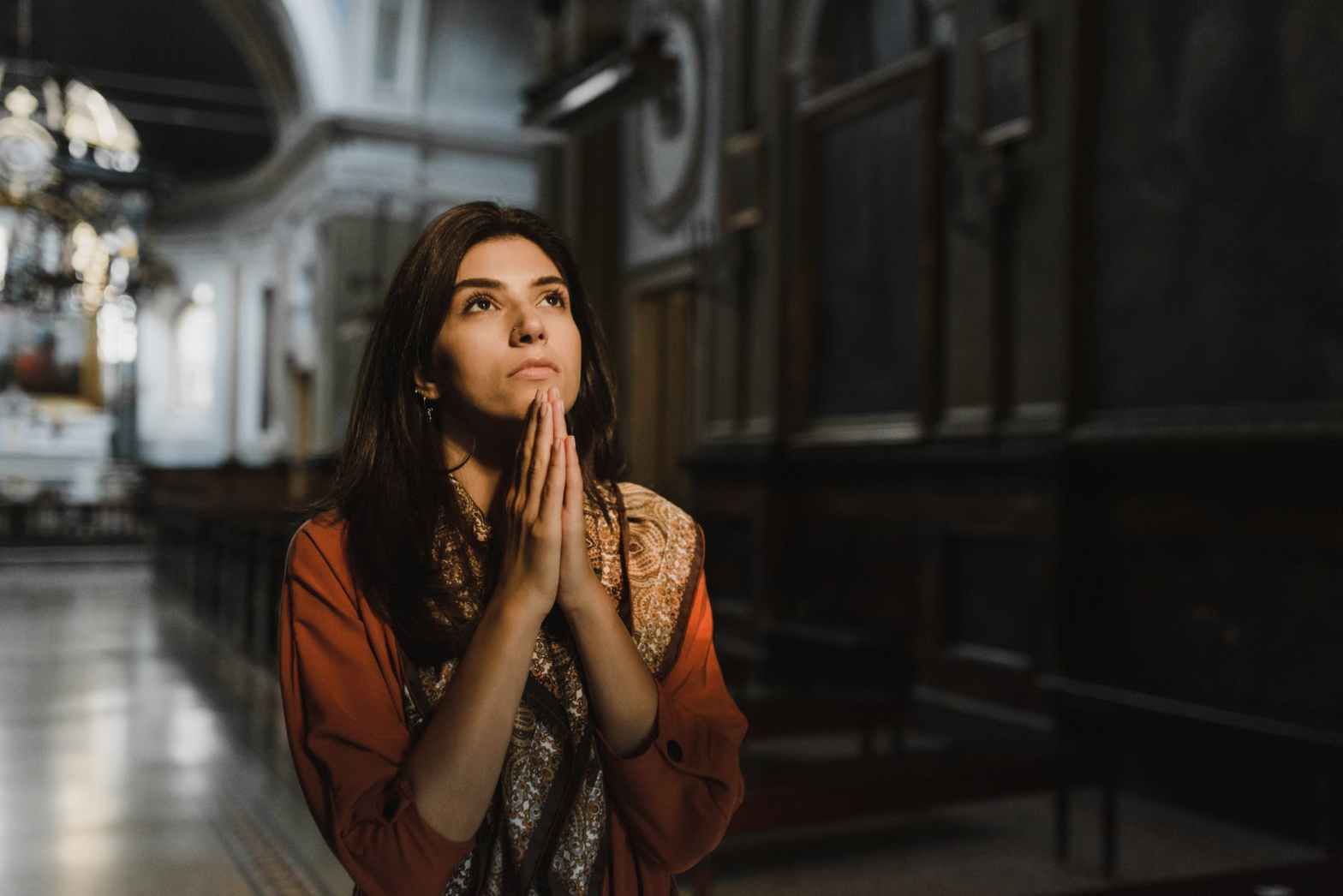
Don’t Judge on Appearances
Pentecost 25, 1 Samuel 1:4-20, Mark 13:1-11
Though lofty in appearance, temples fall.
Our preconceptions dazzle us or blind,
and prejudice makes tyrants of us all
when how we mock or prize distorts our mind.
Poor barren Hannah mouthing silent prayer
was judged as drunk when Eli misconstrued.
She had to strip her desolation bare
before he blessed, instead of being rude.
She chose to hear God’s promise had been made,
though spoken by a priest with faulty sight.
Prophetic Jesus saw great stones, well laid,
would still be scattered by an empire’s might.
He warned false Christs can lead belief astray,
yet Spirit in our trials gives words to say.
	Barbara Messner 10/11/2021
Beware!

Beware!
Pentecost 24, Mark 12:38-44
He named it then, and he’d name it now!
Though they crucify him, he would say, “Beware
of those who show off in the marketplace,
who expect respect and who claim they care,
who display their wealth and yet grasp for more
while the generous poor are left stripped and bare,
and widows are homeless while such as these
manipulate law to increase their share.”

Today they don’t bother with lengthy prayers,
or claiming best seats in a worship space.
Idolatry offered in magazines
replaces the honour of banquet place,
but Jesus still questions the money flow,
opposing the rich who might try to buy grace.
He honours instead the small gifts of the poor
who keep nothing back for the hunger they face.

With Christ-like contempt for the hypocrite,
it’s easy to scorn an anonymous “they”,
but my claim to virtue is scarcely earned,
when money or power never came my way.
Some signs of respect I might covet still,
and money put by for a rainy day.
Like Jesus, the widow gave all that she had:
for such full commitment, I hardly dare pray.
Song of Lazarus
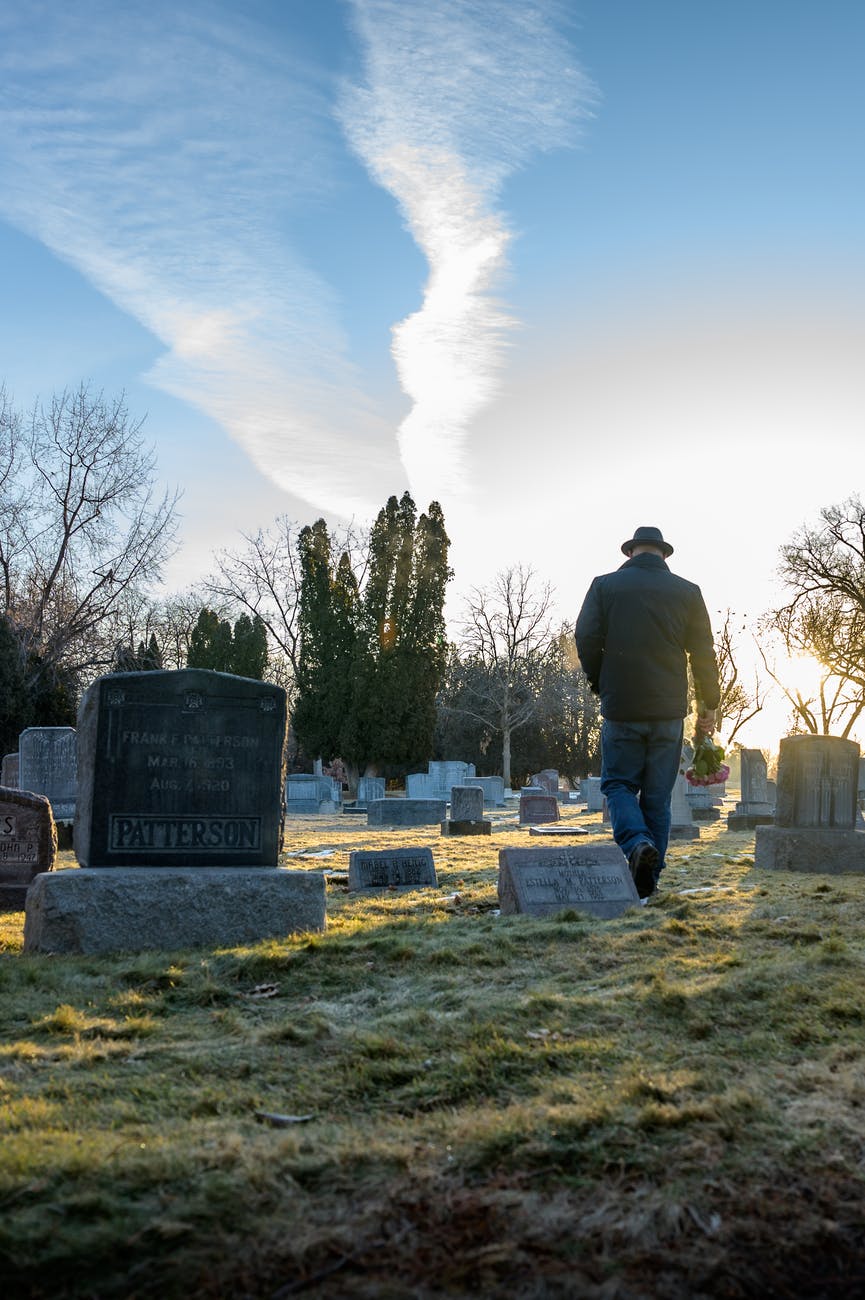
The Song of Lazarus
Jesus began to weep. So the Jews said, “See how he loved him.” John 11:35,36
He called. I returned.
What else could I do?
Though hard it was, and dark
to take up flesh I’d left,
I did not think to blame.

He called. I came forth.
What else could I do,
though hard it was to walk
all swaddled like a babe?
I heard him speak my name.

The crowd shrank away.
What else could they do?
He grew so pale and still.
I think I heard him say,
“What was it like to die?”

My heart overturned.
What words could I say,
when God within my friend
should undertake to die
in agony and spurned?

I let him go on.
What else could I do?
But when he lay entombed,
my prayers accompanied him.
When he arose, I knew.

I’ll follow him still.
What else can I do?
In life or into death –
it matters not to me.
In both, I trust his love.
          Barbara Messner circa 2000
Jesus Wept

Jesus Wept
(Reflection on John 11:32-44, gospel for All Saints’ Day)

See, Jesus wept. We know he shares our grief.
Like Martha, Mary dared to speak her mind.
“If you had been here” – anger finds relief,
expressing thoughts so painful and unkind.
“If you had been here, he would not have died.”
Then Jesus flinched and bowed his head to cry,
disturbed in spirit, deeply moved, his side
already pierced by that sharp question “Why?”
His heart was torn before his turn to die,
for being here was what he came to do:
among us, one with every pain and sigh:
yet those most dear were deaf to what they knew,
importuned him to offer them yet more,
and beat their fists on his wide open door.
	Barbara Messner 8/11/2018

