
The House was Filled with the Fragrance
Lent 5; John 12:1-11
Whether or not he robs the common purse,
his carping words steal beauty from her choice,
and try to rob her of her hard won place
at Jesus’ feet, although her act gives voice
to gratitude for brother’s life restored
and grief prophetic of their teacher’s death.
The ones who come to see him chanting “Lord!”
are risking precious lives with every breath.
Now surely those he trusts must understand
the powers that be will fear this growing crowd!
Her love must give him all she has at hand;
she does not care what men think is allowed.
Her fragrance spreads and women in our day
are strengthened by what they hear Jesus say.
	Barbara Messner 2/04/2025
The Prodigal Daughter

The Prodigal Daughter
Lent 4; Luke 15:11-32
A young woman went off to a faraway land
at a risk-taking age, with the gifts she had claimed.
There she more or less squandered the hopes she had dreamed,
for a love that her church-going lessons had blamed.

How she hungered, and lived for the scraps that he threw,
with her singer’s throat blocked by the tears she had shed,
and her letters back home didn’t mention the blight
of her unwise devotion to one who was wed.

Surely those who were waiting would meet her with blame
and the church of her childhood would set her apart.
When at last she returned and dared speak of her pain,
she was welcomed, forgiven and healed in her heart.

Sometime later she tested the call that she heard
and kept telling this story, determined to learn
whether those who would judge might accept her with grace,
knowing God pours out love on the lost who return.
	Barbara Messner 26/03/2025
Unless You Repent

Unless You Repent
Lent 3; Luke 13:1-9
The victims of chance or a tyrant’s decree
did not die condemned for some personal sin,
but Jesus spoke harshly to let people see
society poised on the brink could fall in.
The axe that is laid at the roots of our tree
is nuclear war that no nation could win,
abuse of Earth’s climate and ecology,
seas swimming in plastic, disordered within.
We long for reprieve, like the tree in the tale,
with gardeners ready to tend and restore.
Has hope for the future been put up for sale
by power hungry leaders still grasping for more?
The prophets cry out: “Why is urgent work left?
Repent or leave Earth and our children bereft!”
	Barbara Messner 21/03/2025
Lament for our Cities

Lament for Our Cities
Lent 2; Luke 13; 31-35
Weep for industrialized cities
where the sky is dirty
and the earth cemented,
where the waters are polluted
and the churches abandoned.
How often has the Child of the Creator
sought to restore the Earth,
and guide the people to healing
in the clean flow of the Spirit,
but we were not willing.

Wail for commercialized cities,
where the owners live for profits
and scoff at living prophets,
where the poor are left homeless,
or crowded into tenements.
How often has the Human One
longed to convince the privileged
to restore to the disadvantaged
a fair share in life’s necessities,
but we were not willing.

Grieve for materialistic cities
where Babel towers block the sun,
competing for symbolic heights
of commercial aggrandizement
and blighting humble enterprise.
How often has the Crucified Christ
been entombed in those basements,
waiting for the ones with the keys
to unlock hope and opportunity,
but we were not willing.

Lament for self-harming cities,
where depression is a pandemic
and rubbish and graffiti accumulate,
where crowds in tense weariness
cannot notice any for the many.
How often has the Risen Christ
desired to gather your children
together as a hen gathers
her brood under her wings
but we were not willing.
	Barbara Messner 9/03/2025
Temptations in the Wilderness

Temptations in the Wilderness
Lent 1; Luke 4:1-15
I have walked that wilderness,
breathed its gritty, brazen air.
Seems our culture lodges there!
Voices work on our distress,
tempting us to be secure –
“Wealth can happiness ensure!”

Spirit dreams evaporate!
Bread is conjured out of stones,
our reward as worker drones.
“You can master petty fate!
Power will help you keep your nerve!
Just don’t question who you serve!”

“Then if you aspire to fame,
risky stunts you can’t refuse.
Time them well to make the news!
Soon you’ll be a household name,
guest star on a TV show.
It’s not what but who you know.”

He who blocked that tempting voice
with God’s word would dare the cross.
While we hide from pain of loss,
his is the transforming choice.
Let us in that wasteland find
Word of God for minds half-blind.
	Barbara Messner 1/03/2022
The Churches of St. Moses, St. Elijah and St. Jesus on the Mountain
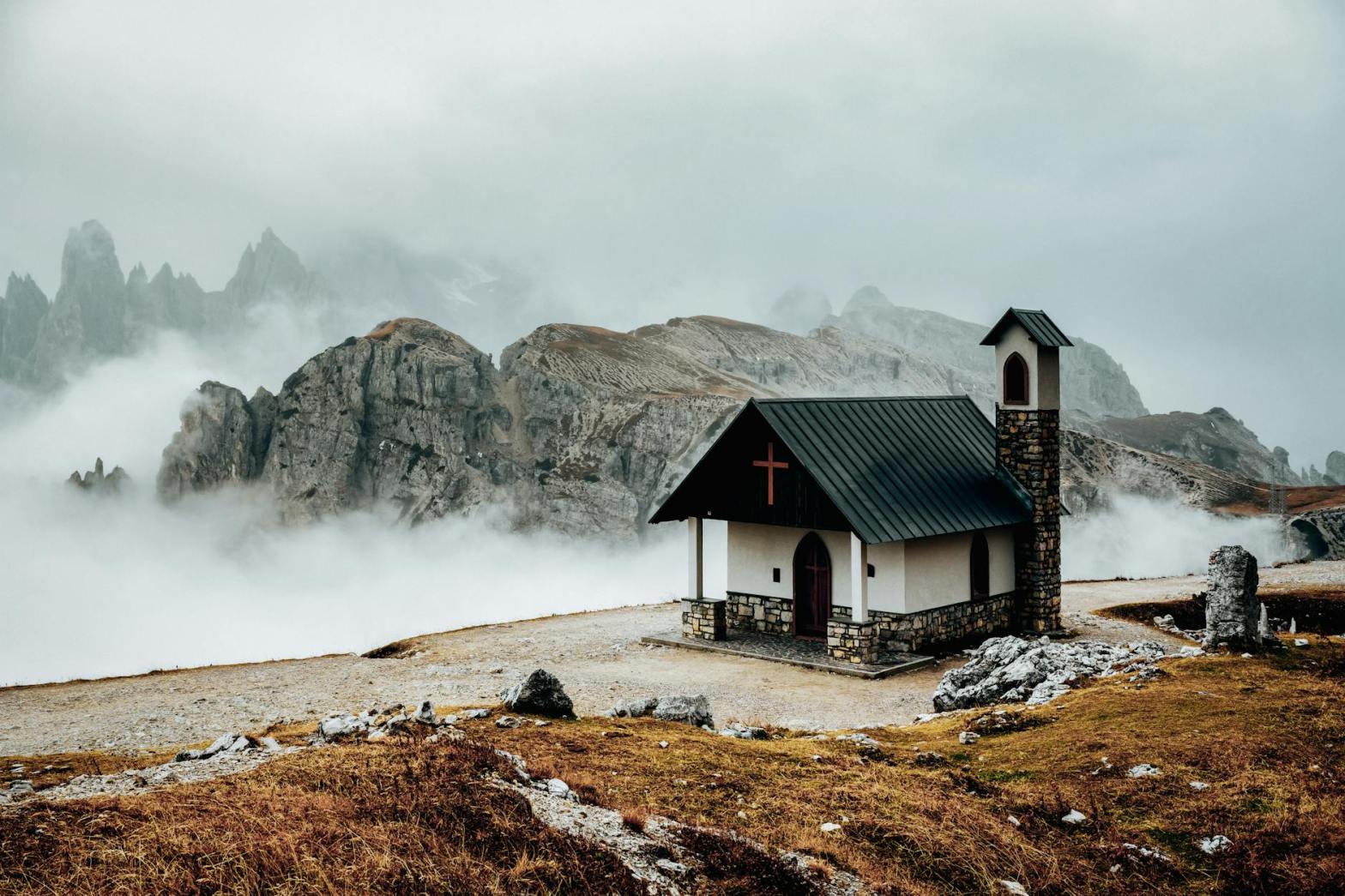
The Churches of St. Moses, St. Elijah and St. Jesus on the Mountain
Last Sunday after Epiphany – Transfiguration; Luke 9:28-36
It is upon the mountaintop that light
transfigures features that we thought we knew,
and we are dazzled seeing what’s beyond
as past and future balance on that peak,
and in that moment God and prophets speak.

We vow that vision will remain in sight,
and yet the words to compass it are few.
We hope we might from looming loss abscond;
he leads us down to failure on the plain.
Would buildings draw us to those heights again?

If churches stood, would light return as bright?
Would vision still be shared and counted true?
When pilgrims journeyed there, would they feel conned
if Moses and Elijah were stained glass,
no voice-over from God though clouds still pass?

We need to know we have no copyright
on revelation, or on life made new.
The mountain top can stir us to respond
if he has challenged us to make the climb,
but building walls can’t hold us in that time.
	Barbara Messner 22/02/2022
Loving my Enemy

Loving my Enemy
Epiphany 7; Luke 6:27-38
To call that man my enemy
would seem too strong a claim,
yet still I feel unloving,
remembering his name.

A bully in the workplace
the three of us agreed.
It’s many years behind me,
and still I am not freed.

One dived into a bottle,
one left for pastures green.
I plodded on, diminished,
with wounds that felt unclean.

I never learnt to stand there
and turn the other cheek,
though fight and flight had failed me,
and tears and fears seemed weak.

So Jesus, though your teaching
could truly set me free,
and keep the world from warfare,
how hard it seems to be!

I try to understand him,
his hidden hurt and strain.
I see the need for loving,
but anger clings to pain.

The secret of forgiveness –
“They know not what they do!” –
is born of such deep loving
it can make all things new.

I pray to want renewal:
undo this knot within,
so I look back unflinching,
and let your love flow in.
	Barbara Messner 15/02/2022
Blessings and Woes

Blessings and Woes
Epiphany 6; Luke 6:17-26
Confront us with the mystery
that blessing graces misery
while fortune loads the dice for woe!
Our poverty can strip away
the gilded idols of our day,
while wealth can stifle what might grow.

Our hunger seeks out nourishment
and hungry souls will be content
with nothing short of Spirit source,
but bellies filled beyond excess
find illness shows them more is less,
and vacant souls have no recourse.

Our grieving can unveil the heart,
and though we painfully depart,
our journey opens us to joy,
while those who mock and laugh and play
will blunder on their merry way
to face the depths that can destroy.

There’s blessing in rejection too:
the hateful words they hurl at you
bounce off the Word that God reveals,
while those who pay the price of fame
risk losing their God-given name,
seduced by flattering appeals.
	Barbara Messner 8/02/2022
I have just finished 12 months as locum in the Parish of Belair, a fulfilling experience but I need time out for a bit. Poems for the next few weeks will probably be old ones, unless the muse has other ideas.
Responding to the Calling
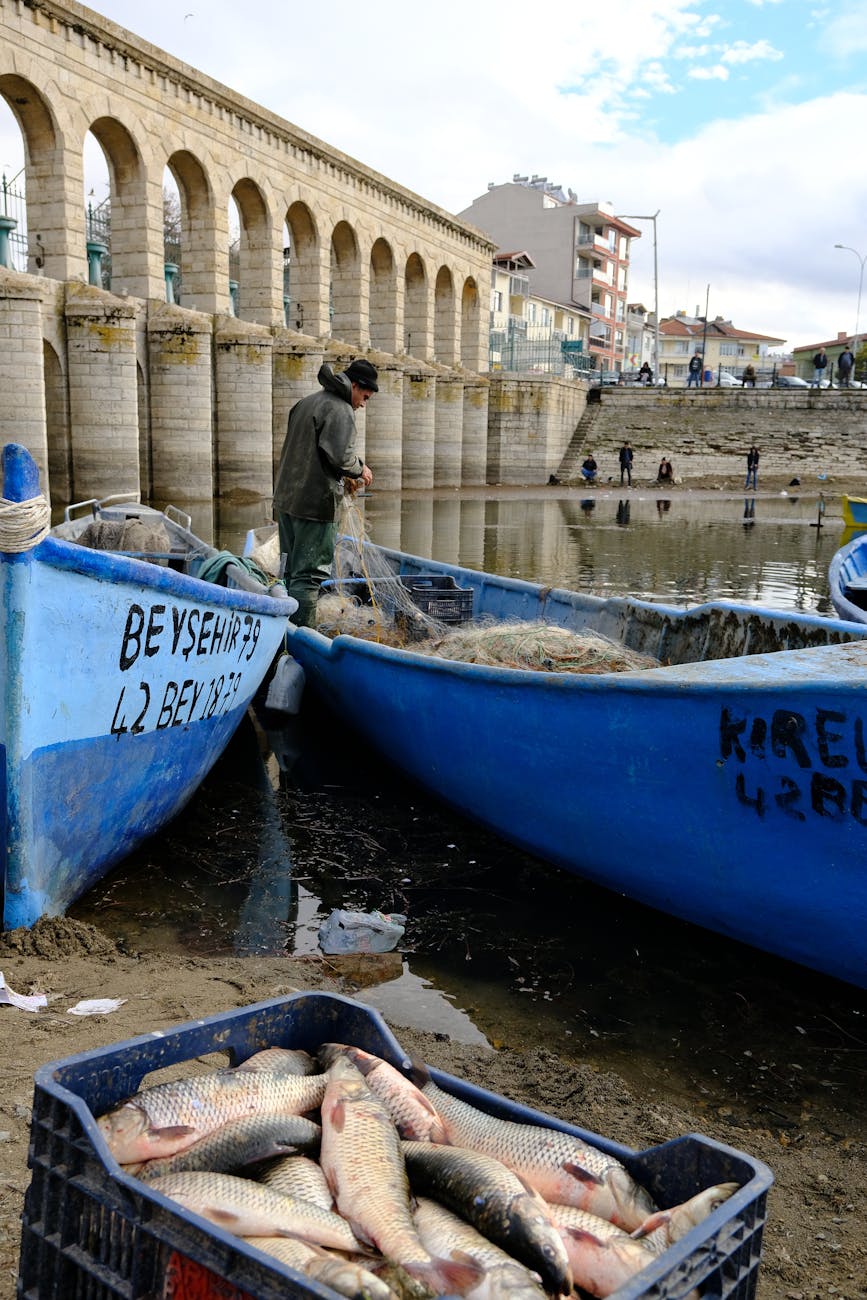
Responding to the Calling
Epiphany 5; Luke 5:1-11
No, the miracles weren’t what convinced us:
neither finding of fish we’d been missing,
nor the healing of someone at Simon’s,
neither stories of words from the heavens,
nor a dove flitting down on his shoulder.
Maybe these were for some confirmation,
and for those left behind, compensation.

As for us, we were hooked when we heard him,
and we followed all over the city,
while our fishing was left until evening,
and too often we turned back with nothing.
For a time, we avoided commitment,
clung to living in ways grown accustomed.
Something hankered to keep the familiar;
something stronger was yearning for meaning.

On the shore he was followed by people
as eager as we were for teaching,
or hoping to reach out for healing:
so many, too close to the Master!
When he chose Simon’s boat as a platform,
it seemed right to find places beside him.
We were washed by the words of his wisdom,
minds and hearts were filled almost to breaking.

Yes, I guess we resented it slightly
when he showed us the spot to go fishing,
but we softened to share his enjoyment;
he deserved a reward for his teaching.
When our nets became laden to bursting,
we saw visible what was reflecting
the abundance our souls had discovered.
Without Jesus, we’d always be empty.

We left nets full of fish for the others,
knowing some would make use of the bounty,
and we followed him, drawn by a current
too strong for our token resistance.
As our eyes sought out wider horizons,
we found joy in his very existence,
and sang praise for unfolding becoming
in a world that was new to our wonder.
	Barbara Messner 6/02/2025
Reflections

Reflections
Epiphany 4; 1 Corinthians 13;12,13
If we look to see others in dusty mirrors
where we are accustomed to find our face,
they are distant reflections of shapes and shadows
that cannot be us, in their separate space.

Now if only we dare to release our image,
and turn our regard to look face to face,
then we both will be more fully known and knowing
and recognize truth that we share in grace.

Then when knowing acknowledges known together,
there’s hope for a wisdom of deep respect;
we will drink at the wellspring of faith and loving,
and in that clear pool one and all reflect.
	Barbara Messner January 2019

