A Blessing and a Wounding
Pentecost 10; Genesis 32:22-31
At times we come to crossings
as Jacob did at Jabbok.
Our people and possessions
go on across the waters –
incentive and appeasement
to clear a path to follow.

Yet we remain, in turmoil,
as day gives way to nightfall.
Do past transgressions hold us,
or future risks unnerve us,
or have we lost the meaning
of who we are or might be?

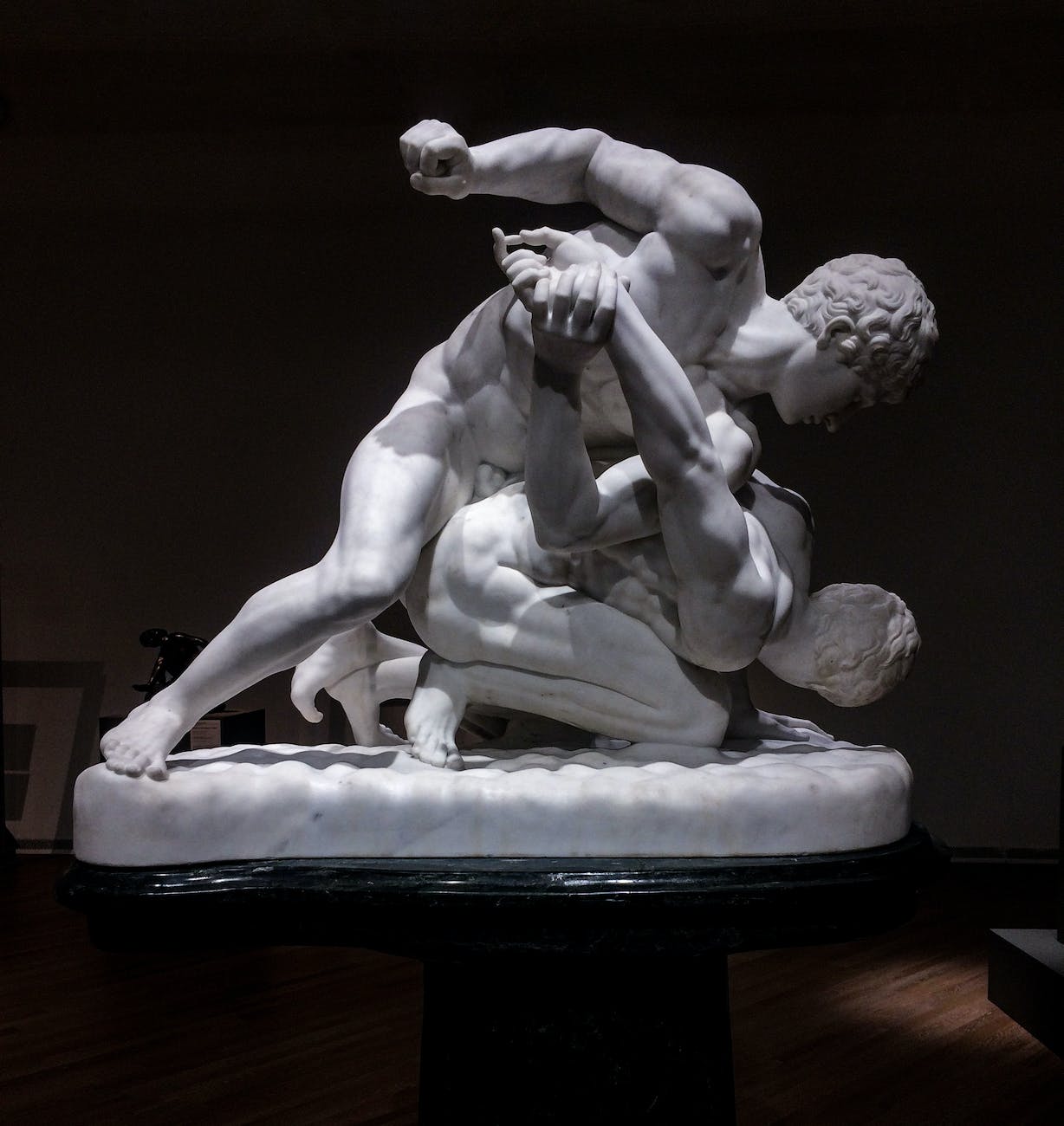
There in the dark we wrestle
with self or something other,
no victory to either.
We’re out of joint and hurting,
but still despite the begging
“Let go, for day is breaking”,
we cling on for a blessing.

And so as light is dawning,
we claim another naming,
and say that we have striven
with God, and were prevailing,
and yet the one who held us
in struggle or embracing
has slipped away still nameless –
our claiming is our failing.
    Barbara Messner July 2020
So They Kept the Matter to Themselves
So They Kept the Matter to Themselves
Transfiguration; Mark 9:2-10
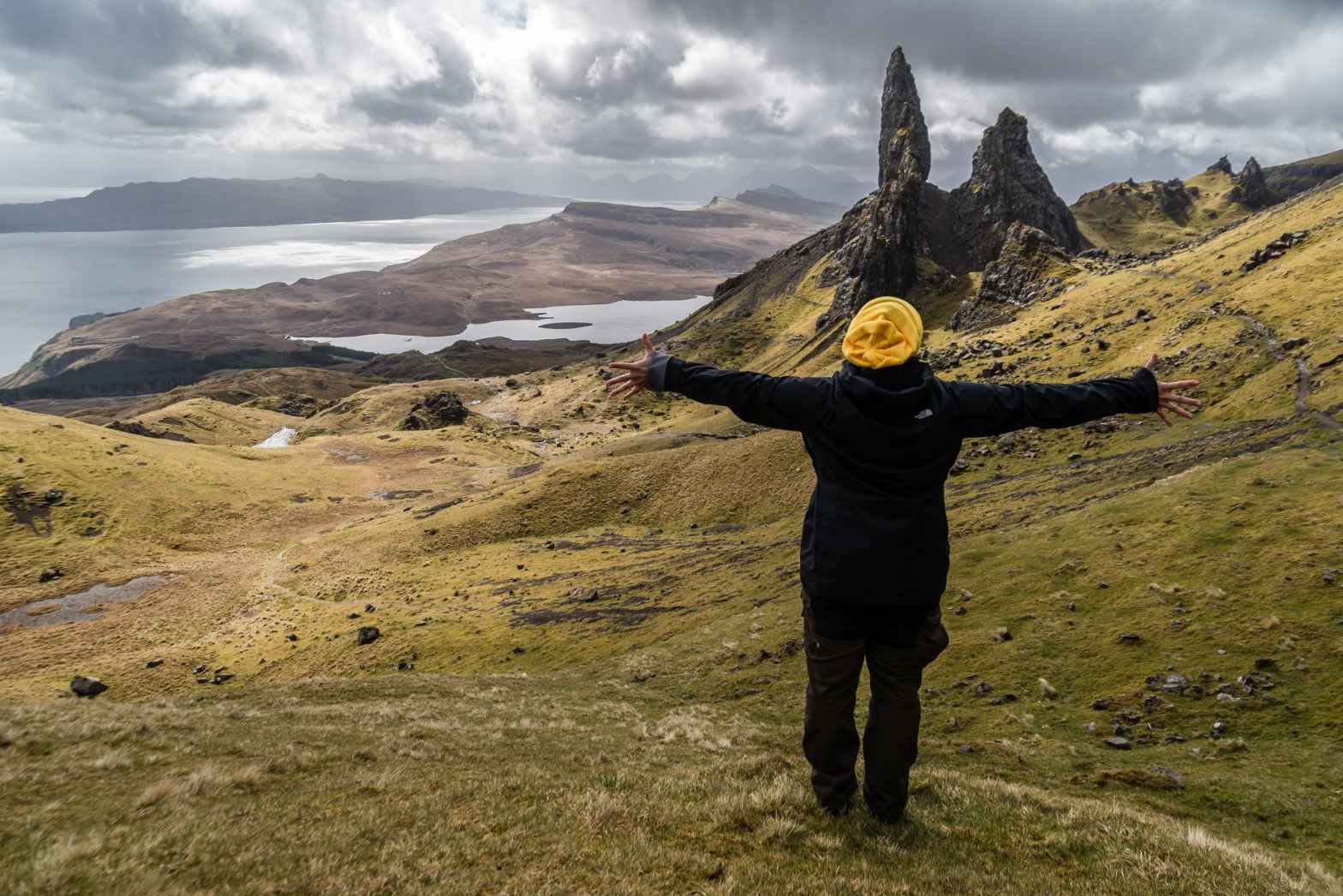
I have been on those heights
	everything radiant
	pregnant with presence
	clouds trailing glory
while near me I heard
words of listening and love

Dreamed I worshipped you there
	poised at the crux of
	prophecy law or
	future and past all
around I perceived
our reality stretch

Peak experience fades
	when we’re descending
	vision or dreaming
	awkward to tell when
below in the valley
our failure awaits

But I know you are there
	braced for betrayal
	violence denial
	face set like flint
you walk with us still
to the cross and beyond
	Barbara Messner 2/08/2023
Shake Off the Dust
This was written in 2021 for Mark 6:1-6. Feeling a bit overwhelmed this week, I’m repeating it for the identical passage, Matthew 13:54-58, at the end of Sunday’s gospel.
Shake off the Dust
Pentecost 9; Matthew 13:54-58 Year A
(also Pentecost 6, Mark 6:1-13, Year B)
The locals doubted Jesus could be wise:
he grew to manhood right before their eyes,
a carpenter whose kin they thought they knew.
His gift was hampered, though he healed a few.
Belief, it seems, enables Spirit power,
and sceptics flourish in this day and hour,
pursuing facts and leaving wisdom out.
The chance to heal is undermined by doubt.
So those of us who teach the ways of soul
in hopes the world might turn and be made whole
are stripped of what sustains us on the road,
while lack of welcome multiplies our load.
We see so many signs of lack of trust,
it’s hard to leave behind the clogging dust.
	Barbara Messner 30/06/2021
Encompass Us
Encompass Us
Pentecost 8; Psalm 139, Matthew 13: 24-43
Search me, O God, and know my heart,
my words and path discern.
Though I might try to hide apart,
you find me when I turn.

Confronting to be searched and known,
but comforting as well.
A knowing love transforms its own;
unknown is lonely hell.

The inner and the outer world
are patched with dark and light.
You know where growth lies dormant, furled –
let warmth bring it to sight.

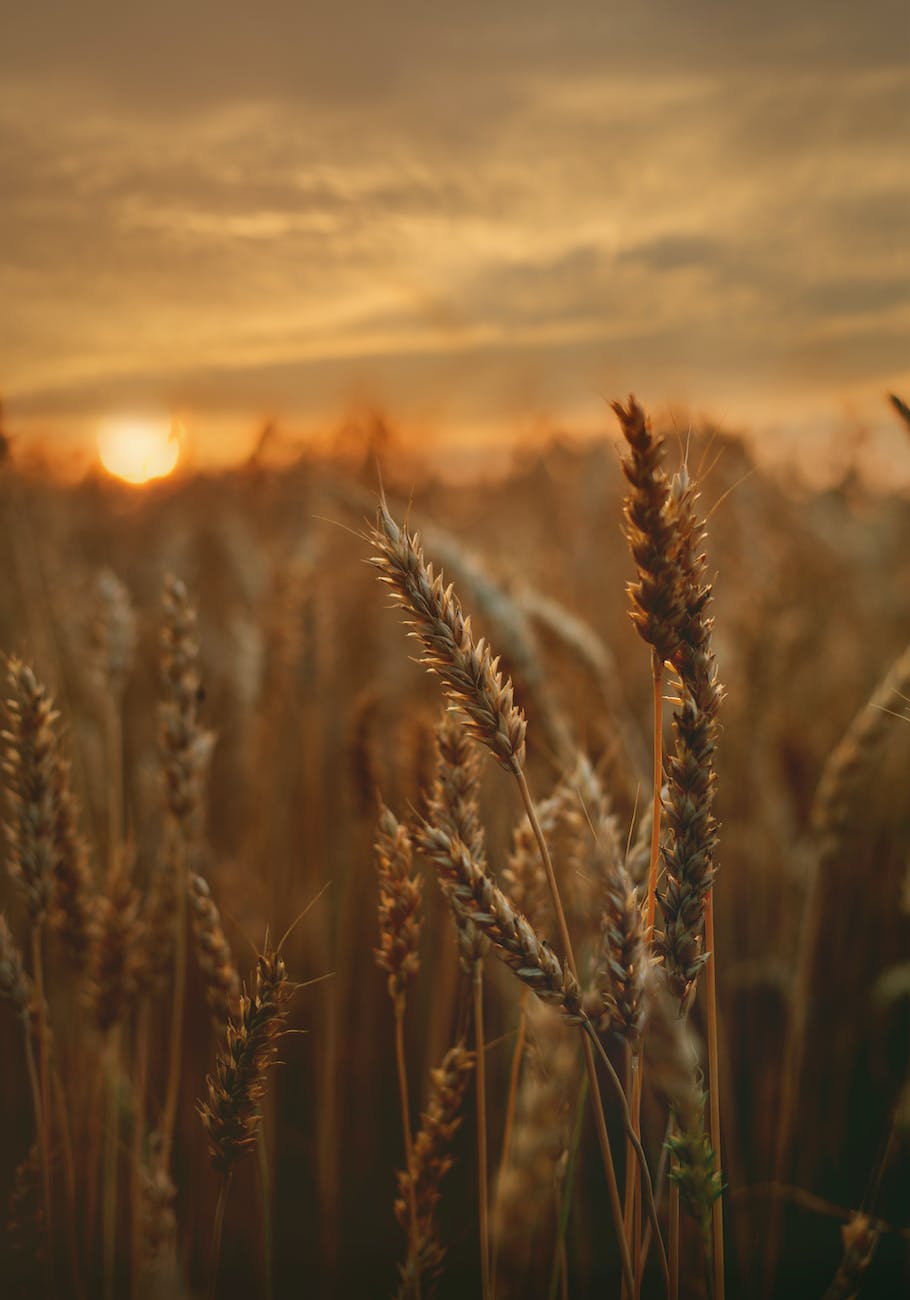
Let weeds and wheat grow side by side,
for only You can tell
if wheat has spread its claim too wide,
or weeds might make us well.

Mile after mile of same old wheat
might serve our same old selves,
but what of land that we deplete
for supermarket shelves?

A weed is just a random plant
not planned in our designs;
its earning power for us is scant,
but Earth knows what it mines.

Is what we sow in soil or soul
the best for us or Earth?
Creator God can grow us whole,
for Wisdom knows what’s worth.
	Barbara Messner 20/07/23
On Behalf of Random Seed
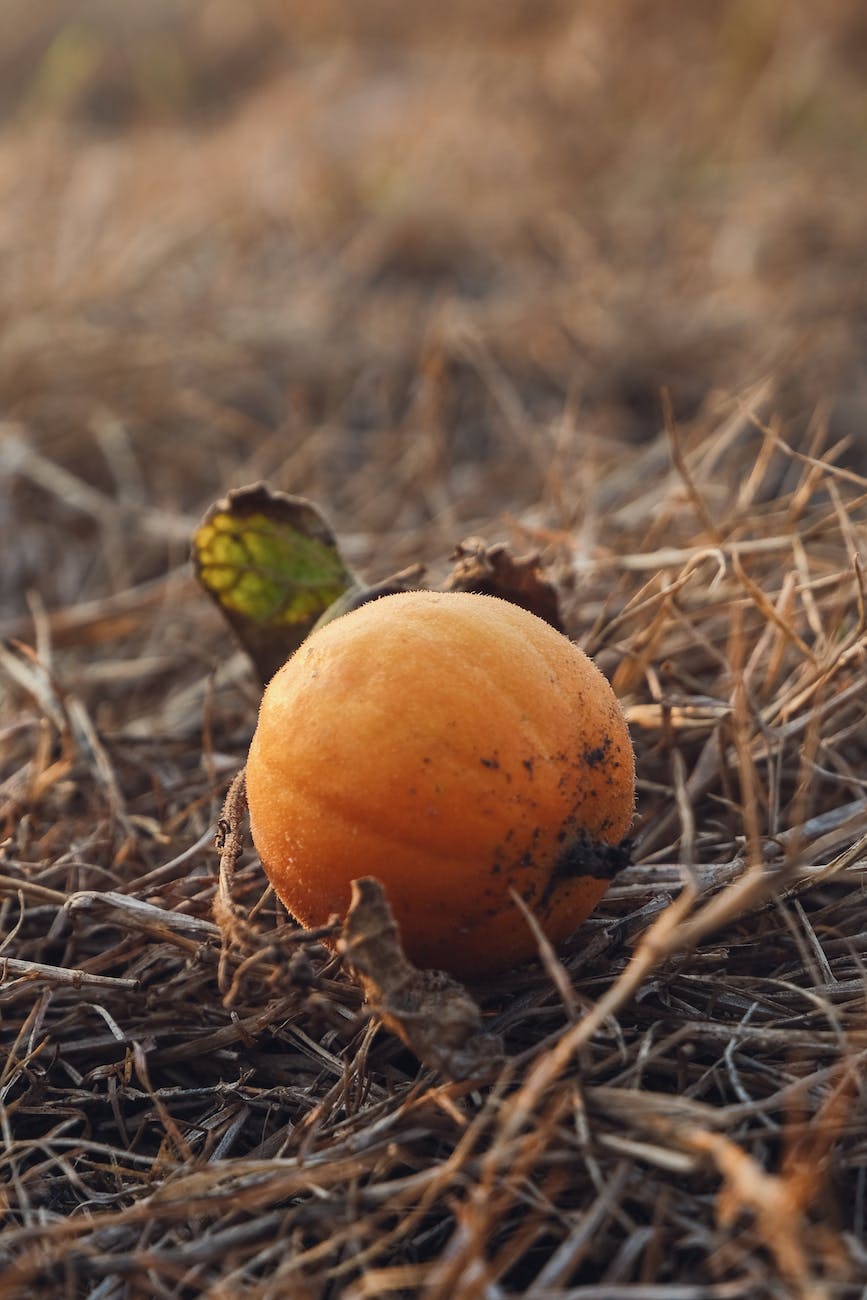
On Behalf of Random Seed
Pentecost 7; Matthew 13:1-9. 18-23
Did Jesus limit how one hears,
although he spoke to those with ears?
Perhaps his followers explained,
and parables became constrained.

I guess I must appreciate
that Jesus would communicate
with literal-minded sons of law
as well as friends of metaphor.

Although perhaps it seems perverse,
don’t ask me to explain a verse,
but let us share what it might mean,
for truth has facets seldom seen.

A poem scatters less than seed,
and still there’s rocky ground and weed,
but soil prepared and fertilized
may yield so much that I’m surprized.

The parables say many things
if given space to spread their wings.
When seed attracts a hungry bird,
it might be carried, like the word.

Who knows where wisdom someone drops
may root and spring up, then bear crops?
The fruit seed thrown beside the track
might feed a wanderer come back.
	Barbara Messner 8/07/2023
In the Marketplace

In the Marketplace
Matthew 11:15-19,25-30
In the marketplace
we now have
social distancing:
we always had
soul distancing.

In the marketplace
Jesus lamented
unbridged distance
of industrious
self-absorption.

In the marketplace
music dribbles,
no-one dances.
Mourners crying
find no sharing.

In the marketplace
John who is fasting
seems obsessive,
Jesus at table,
over-indulgent.

In the marketplace
busy cleverness
hangs up on wisdom;
only the child-like
have ears to listen.

In the marketplace,
weary and distant,
connection fraying,
we long for gentle
promise of resting.
     Barbara Messner 2/07/2020
Welcome and Welcoming

Welcome and welcoming
Matthew 10:40-42

Best welcome gives us space and lets us be.
“Whoever welcomes you so welcomes me,”
said Jesus. From experience he knew
that welcomers of Christians might be few.

So many now mis-read him, mistrust us –
not helped by slogan verses on a bus!
The checkout operators often say
with bright and practised interest: “How’s your day?”

“I wrote a sermon, and I offered prayer
for someone who was dying in Aged Care.”
It’s odd, but conversation after that
grows awkward and soon falls completely flat.

Mind you, to welcome prophets give us pause:
we know that what they say has fire and claws,
and profit motive claims a greater power
than all the warnings of a world gone sour.

And no-one gladly welcomes righteous ones –
too often the self-righteous carry guns.
We welcome strangers hoping to fill space
on lists of those who might maintain our place.

So welcoming and welcome need some work,
and feeling right at home is not a perk
that Jesus offered freely to his band
to keep them well contented and at hand.

Perhaps our welcoming might turn at first
to “little ones” who live with fear and thirst.
Perhaps we’d find ourselves most welcome there
with cups of water shared in mutual care.
	Barbara Messner 25 June 2020
More Value Than Many Sparrows?
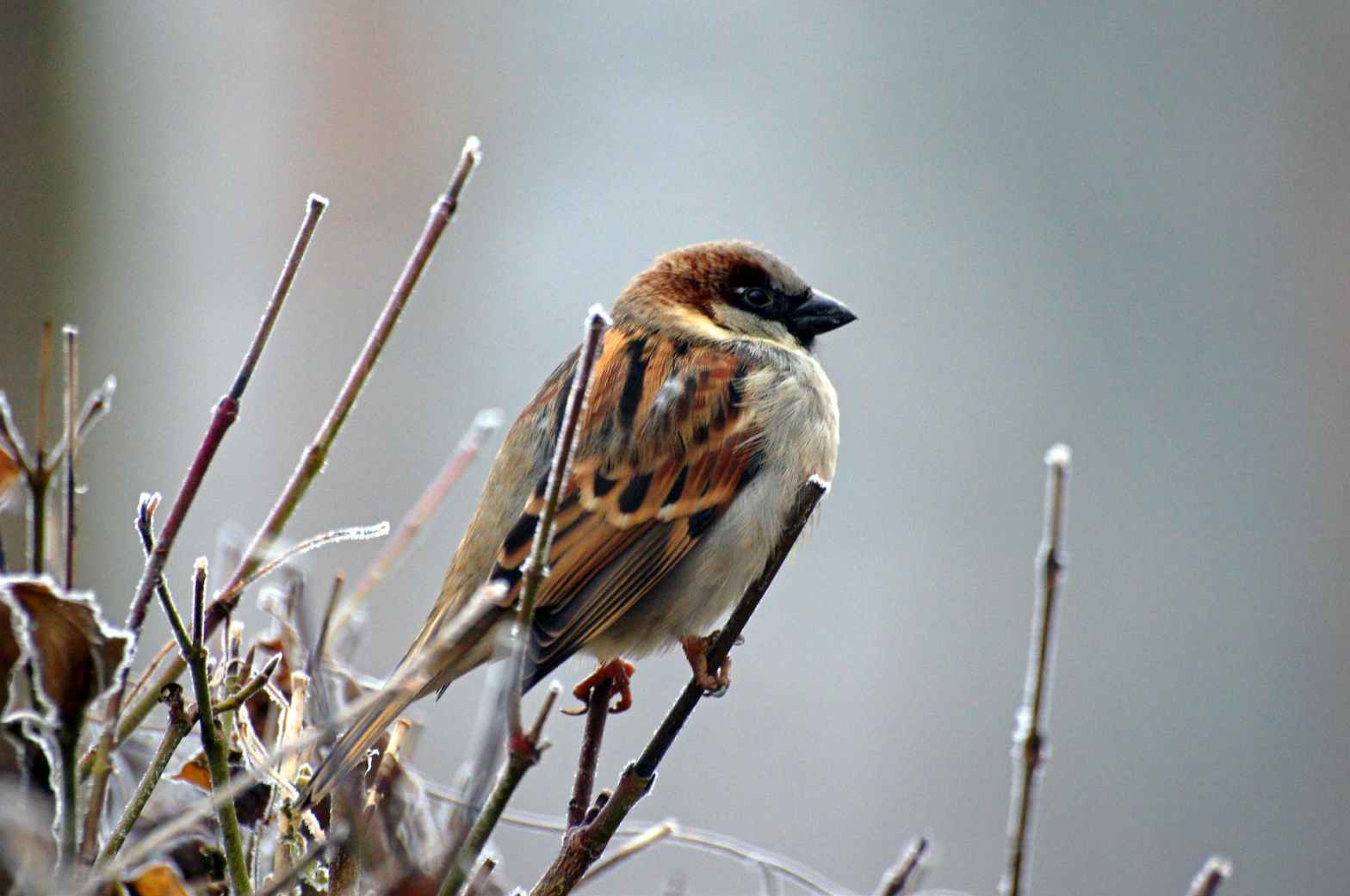
More Value than Many Sparrows?
Pentecost 4; Matthew 10:29-31

But why would God count humans of more value
than one expiring two a penny sparrow?
It’s we who price resources of our earth
convinced that human profit has more worth
than all the fragile beauties freely given
and meant to draw us deeper into heaven
where we are more aware, respectful, kind,
and leave our greedy ego selves behind.
Because our self-importance tends to soar,
did Jesus mock our constant need for more,
and question whether value has degree
when God finds precious both the bird and me,
and counts our hairs or feathers just the same,
cares when we fall and calls us both by name.
	Barbara Messner 18 June 2020
Why Did Sarah Laugh?
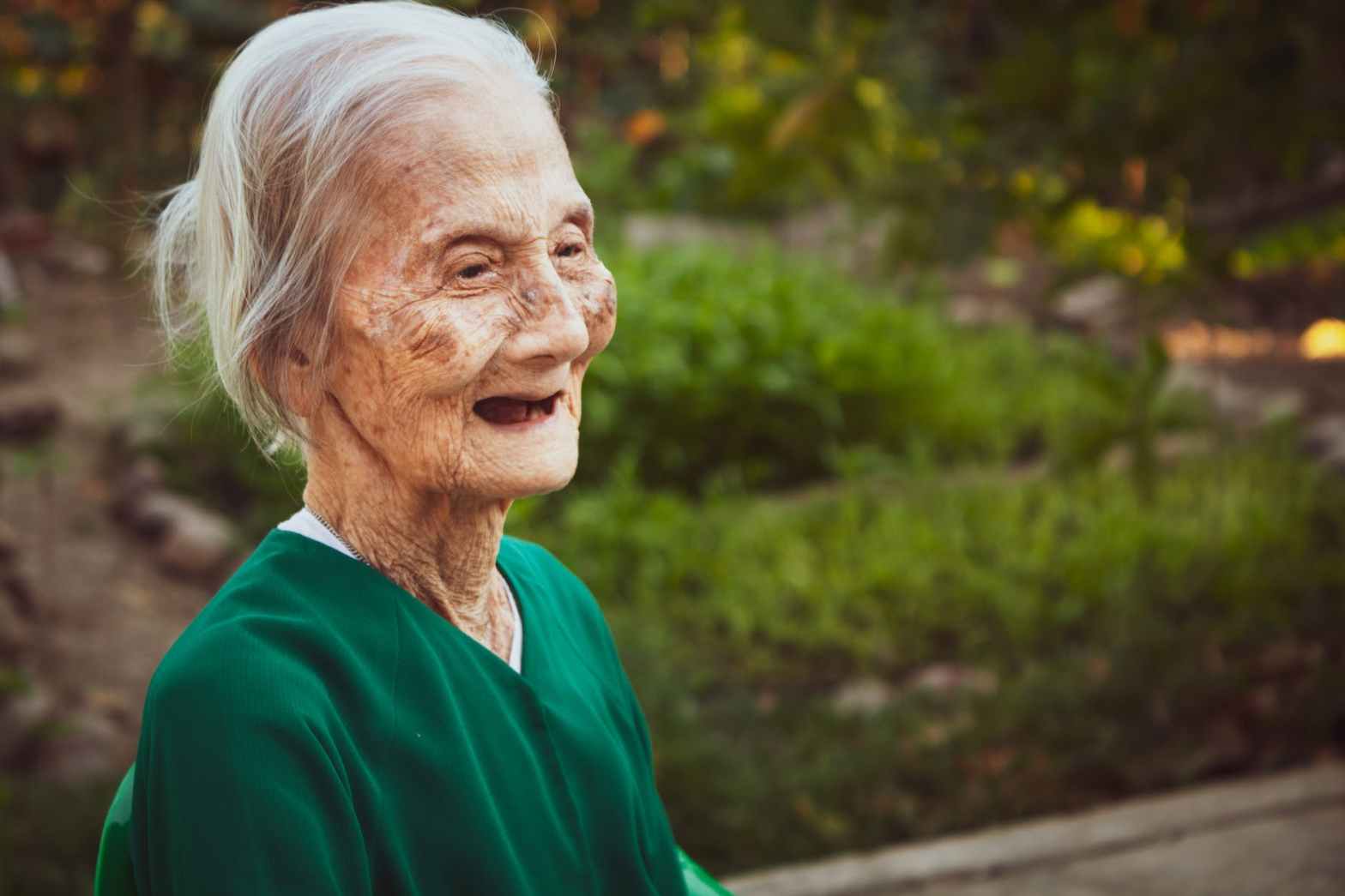
Why Did Sarah Laugh?
Pentecost 3; Genesis 18:1-15
Why did Sarah laugh,
listening in the tent,
not out with the guests,
though she’d made them cakes,
quickly, as he said?

“She will have a son!”
Abraham was told,
standing by the three,
offering the food
others had prepared.

Menopause had passed –
childless she remained;
Ishmael, Hagar’s child:
Abraham’s first son.
Promises were late!

Why be offered birth
past her use-by date?
Sarah had to laugh,
then deny, for fear
men might think she mocked.

Trust four men to plan
she should have a son!
No-one thought to ask!
Laugh for all the times
she felt set aside.

Her old body faced
risk and stress and pain,
then the constant work
babies tend to claim.
God, she had to laugh!

Faith of patriarch
Scripture has acclaimed.
Sarah’s rueful laugh
sums up years of tears
waiting women shed.
	Barbara Messner 15/06/2023
Winter Clouds
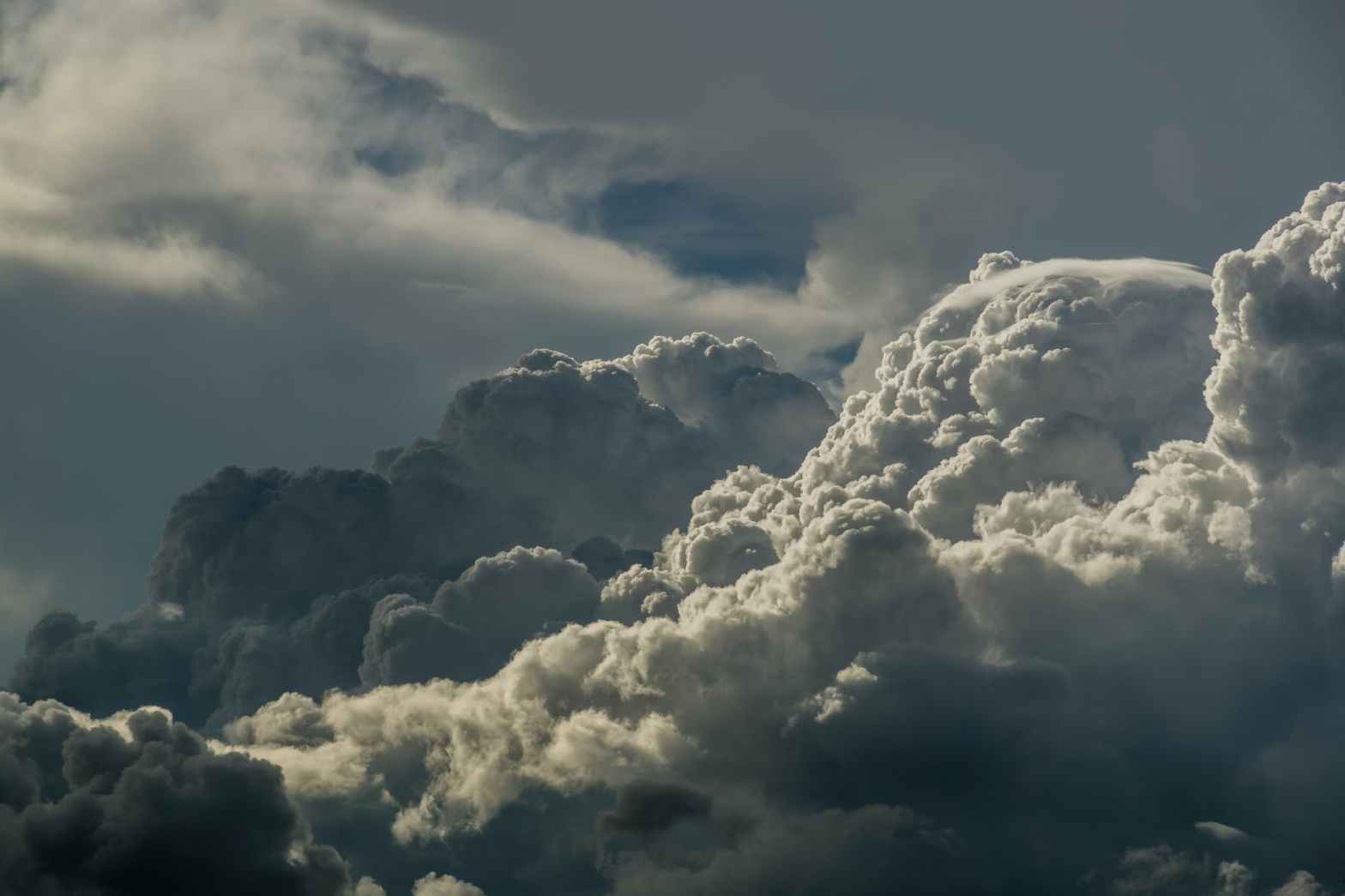
Winter Clouds
When skies are uniformly grey
and drizzle dampens every walk,
my soul shrinks down, half-turned away,
lets inner colour smudge like chalk.

If clouds and sun dance on the heights,
then grey takes form in subtle hues,
and white has brightness that delights,
while gaps of sky show bluest blue.

Then cast-down eyes are drawn to lift.
Majestic mountain peaks of cloud
appear, and then like magic shift
as sunlight rips the dimming shroud.

I gaze and words begin to form
as brightness splashes like a wave.
Though cloud parade might turn to storm,
each lightning flash excites the brave.

I’d rather downpour than those fogs
that hem me round and dull my sight.
Let flooding shift the clogging logs
so stream runs strong and glitters bright.
	Barbara Messner 9/06/23
 Barb, poet priest