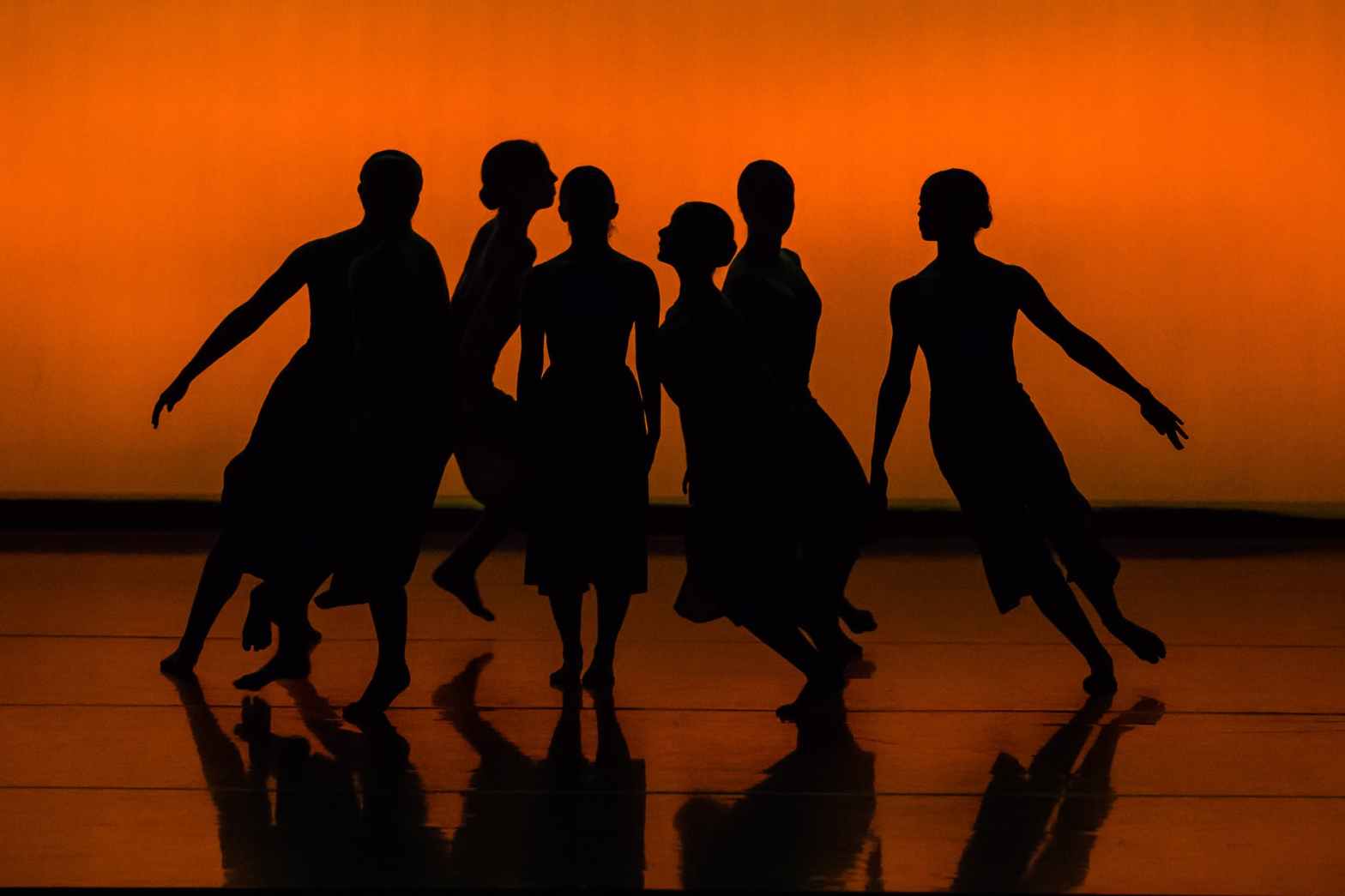
Sacred Dance
Pentecost 7, 2 Samuel 6, 1-5, 12-20, Mark 6:14-29
I have witnessed sacred dancing
that has stirred my very being:
wordless meaning that’s enhancing
prayer inspired by what I’m seeing –
spirit stirring, feelings freeing.

Yet our mainstream church disdains it,
though the censure is unspoken:
formal liturgy restrains it
into gestures that are token,
careful that no power is woken.

With exuberance, King David
danced before the Lord uncovered,
clad in nothing but an ephod.
Scornful wife at window hovered,
voiced past angers rediscovered.

When Herodias and daughter
used seductive dance, entrancing
king to order Baptist’s slaughter,
sex and politics were prancing,
poles apart from sacred dancing.

Yet religious fears have banished
all that dance might offer to us.
Shame in bodies has not vanished.
We’re unsure if what flows through us
might seduce us or renew us.

All the arts aspire to power
that can shake us or remake us.
Spirit gifts, abused, will sour;
linked to God, they stir and wake us.
Who can know where that might take us?
Shake off the Dust

Shake off the Dust
Pentecost 6, Mark 6:1-13
The locals doubted Jesus could be wise:
he grew to manhood right before their eyes,
a carpenter whose kin they thought they knew.
His gift was hampered, though he healed a few.
Belief, it seems, enables Spirit power,
and sceptics flourish in this day and hour,
pursuing facts and leaving wisdom out.
The chance to heal is undermined by doubt.
So those of us who teach the ways of soul
in hopes the world might turn and be made whole
are stripped of what sustains us on the road,
while lack of welcome multiplies our load.
We see so many signs of lack of trust,
it’s hard to leave behind the clogging dust.
The Healing of Women

The Healing of Women Pentecost 5 Mark 5:21-43
When Jesus heals, he seeks to make us whole:
he healed the flow of blood the woman bore
for twelve long years, but also healed her soul.
Her shame was lifted, she need hide no more.
Did Jesus feel his power go out to all
those women judged unclean who hide in fear
and dare not state their need or voice their call,
yet let their faith in healing draw them near?
The leader’s daughter, twelve years old, had died
while Jesus listened to that woman’s truth.
Despite the scorn of those who wailed and cried,
he raised the girl to walk into her youth,
and there perhaps to find there’s more to life
than bartered, without choice, as someone’s wife.
Pitching Our Tents: Poetry of Hospitality

(Barbara Messner has a poem in this book, and would like to encourage people to read it and to contribute to the project it supports. The following is a description prepared by the editors:)
“Pitching Our Tents: Poetry of Hospitality is a chapbook edited by Maren Tirabassi and Maria Mankin in support of Peace Cathedral in the Republic of Georgia’s physical and spiritual embrace of full Interfaith community. It includes the works of thirty-two contributors from seven countries sharing experiences of inclusion and connection.
Peace Cathedral in the Republic of Georgia was established as First Baptist Church of Tbilisi in 1867. Its history is full of dangerous activist stands, and it has been involved in interfaith work for more than twenty years, trusted by Muslim, Jewish, Yezidi and other religious traditions, in a context where the more dominant Christian culture often responds violently against minorities. They are constructing a mosque and a synagogue under the roof of their church building to turn it into a spiritual home for Abrahamic faiths. In addition, there is a Centre for Interfaith Dialogue, an interfaith adult library and a children’s library with programming and summer camps. Their pilgrimage program brings people to visit the Republic of Georgia to learn about the hopes and struggles of people of all of these faiths.
Pitching Our Tents: Poetry of Hospitality is offered in support of this project, as the writers focus on issues of inclusion and connection in their own situations and from their own history or heritage. These are extraordinary poems from widely varied perspectives.
This book’s purpose is to raise awareness of Peace Cathedral’s work and to raise money for its ongoing project. If you would like to receive a copy of the book, please follow these instructions to make a donation (suggested donation $10):
- Go to the link: https://allianceofbaptists.org/give
- To pay by credit card, select 1. On the second line of the form, where it states, “Other Designation,” please write in Peace Project – Tbilisi. To pay by check, choose 3, and write in Peace Project – Tbilisi on the Memo line.
- Use the following Book Funnel link to receive your free electronic copy of Pitching Our Tents: Poetry of Hospitality with a choice of e-book formats and a PDF version for those who like simplicity, in thanks for your support of the Peace Cathedral. https://dl.bookfunnel.com/q5j6on197f
- If you would like a print copy, it is available on Amazon. We’ve set the cost as low as Amazon will allow (this only covers the printing cost). We do not receive royalties from this, nor will the proceeds go to the Peace Cathedral, so if you’d like to support them, please follow the donation steps above.
If you can’t make a donation but would still like to receive a copy, go to step 3 and enjoy the chapbook and share this information with those you know who might be interested in learning more about the Peace Cathedral’s mission or need encouragement with their own struggle for justice, reconciliation and hospitality.”
Anxiety

Anxiety
Anxiety hops like a toad in my guts:
it swims in my stomach and climbs up my throat.
Like seagulls, it splatters my hopes with its buts;
it circles my living like wall or like moat.

But if it’s like toad, should I kiss it and see
if it will turn royal and make me a bride?
Or if it’s a bird, should I watch it fly free,
and let its harsh calling entice me outside?

Or if it’s a moat, make a ditch to the sea
to clean out its waters with tide and with salt,
then lower a drawbridge to where help might be,
or climb up the walls and cry; “Who goes there? Halt!”

I’ll raise the portcullis and parley with flags,
and find there are terms that can set aside fear,
then offer a welcome to strangers with bags,
and find when they stay awhile, all becomes clear.
Who then is this?

Who then is this?
Pentecost 4, Mark 4:35-41
“Who then is this?” we ask.
Do winds and waves obey
a being set apart
with words we dare not say,
not even when we pray?

“Who then is this?” we ask.
A man so spent and worn
he cannot help but sleep,
although the skies are torn
and there may be no dawn.

“Who then is this?” we ask.
A person steeped in trust
who dares to stay at rest
as wind and waters thrust,
and fear burns fierce as lust.

“Who then is this?” we ask.
Though waking to distress
as friends and storm wear out,
he knows when more is less,
and what he must address.

“Who then is this?” we ask.
He stands and says: “Be still!”
The storm reverts to calm.
His peace flows out to fill
clear space beyond our will.
	Barbara Messner 15/06/2021
Changing our Point of View

Changing our Point of View
Pentecost 3, 1 Samuel 15:34-16:13, 2 Corinthians 5:6-10, 14-17, Mark 4:26-34
For anyone in Christ
a new creation calls
in love that urges change:
to walk by faith not sight,
to live not for ourselves
but with the risen Christ,
to lift our blinkered gaze
from human points of view.

The old has passed away:
the world no longer spins
on axis of myself,
my efforts and my worth,
priorities and goals,
achievements and control.
The Lord looks on the heart;
our preconceptions fail.

So Jesse’s older sons
were not anointed ones.
Appearance, stature, age
did not determine choice.
The youngest shepherd boy
would be the future king,
endowed with Spirit power
though shadows lurked within.

For God can choose a child,
or be a homeless babe.
The smallest seed grows high
so birds can nest in shade.
We can’t control or know
how earth will bring to bear
the harvest that’s a gift
to reap with thankful prayer.
Waking Up in Winter
Waking Up in Winter
Well cocooned in winter blankets
I cling on to skirts of sleeping,
while uneasy dreams are shredded,
gone before I grasp at meaning.

Let me stay a little, hidden
in this cozy muffled stillness,
pulling up a layered muting
over morning sounds and greyness.

I admit that I’m delaying
facing cold and morning muddle,
stiffness and my fears of ageing,
while I’m curled in this self-cuddle.

Though I try to stay suspended,
something swings me into rising:
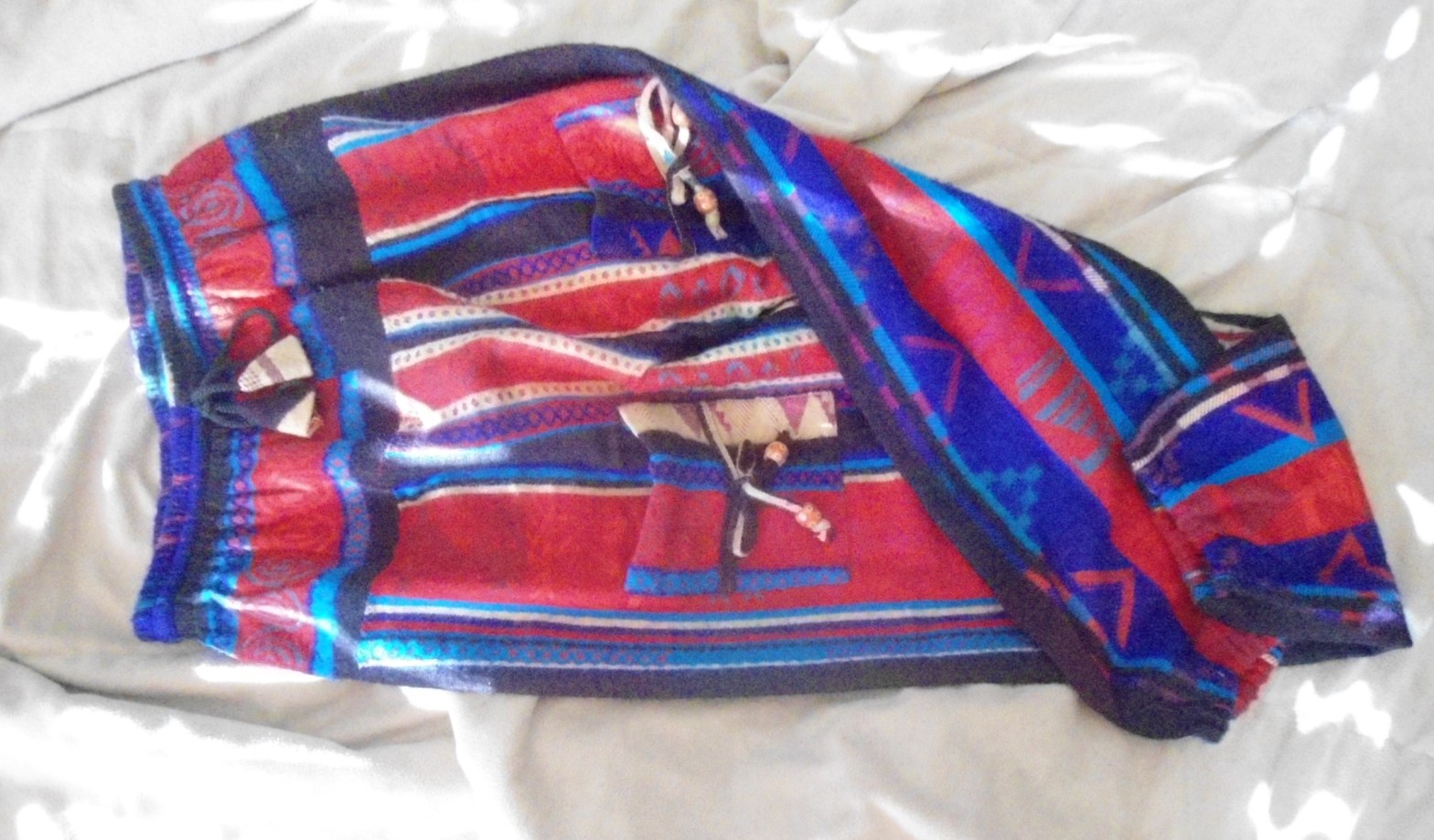
I remember impulse purchase,
soft warm pants with stripes surprising.

As I slip into their colour,
I am heartened by such boldness,
red to ward off melancholy,
grey of clouds and winter coldness.

Clown-like legs – can’t help but smiling
as I stumble into morning!
Coloured comical, I’m strengthened;
I can picture wings are forming!
Home not Home
Home not Home
Pentecost 2, Mark 3:19b-35
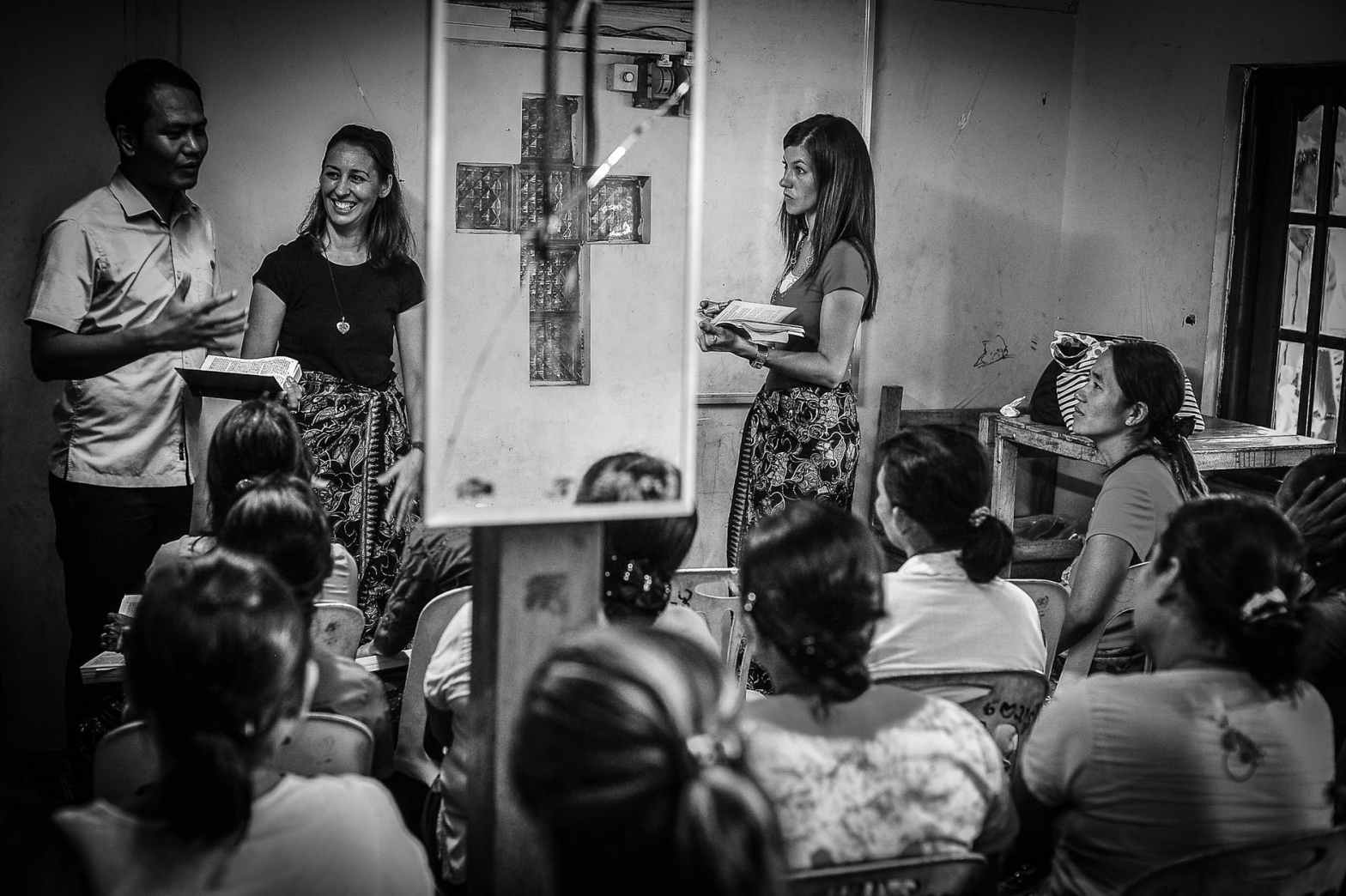
Then he went home; perhaps he hoped
for quiet time with family,
affection free of fresh demands,
a sheltered space of privacy
that might restore his energy.

But crowds came, urgent in their need,
and sought him out. The streets were lined,
and villagers, resentful, said:
“Young carpenter has lost his mind!”
Familiarity is blind.

Perhaps his brothers felt ashamed,
or thought (for his own good!) they must
restrain him, take him out of sight,
and silence him until the dust
had cleared, the town no longer fussed.

I wonder what his mother thought?
She’d be upset when scribes accused
her son of using demon power,
and fearful that he’d be abused
by those whose status was misused.

The Spirit that set spirits free
they called “unclean” in jealous spite.
He questioned whether they blasphemed
to be so closed to Spirit sight
while claiming they discerned the right.

His family were left outside –
he claimed instead a wider kin
of those who heard with open mind,
not limited by class or skin,
but linked by Spirit born within.
Nicodemus at Night

Nicodemus at Night Trinity Sunday John 3:1-17
Then Nicodemus came by night –
a man of law-trained, literal mind
replete with Scripture he could cite.
He knew his peers would be unkind,
so sure of ways they thought were right,
but he must see what he would find.

Perhaps this Jesus came from God -
some words rang true, he’d seen the signs,
but what he heard this night was odd,
and blurred the clarity of lines
to which he’d always given the nod,
assured by what the law defines.

What might it mean to be reborn?
His reason would not give that room,
and challenged, he replied with scorn:
“A second time in mother’s womb?”
Yet hope was stirred like wind at dawn.
If God is love, the world might bloom.

“How can this be?” A longing doubt
unsettles all he thought he knew.
Sometimes like him we twist about,
and try to test what might be true,
but then God’s love will call us out,
and Spirit birth a life made new.
 Barb, poet priest