Don’t Judge on Appearances
Pentecost 25, 1 Samuel 1:4-20, Mark 13:1-11
Though lofty in appearance, temples fall.
Our preconceptions dazzle us or blind,
and prejudice makes tyrants of us all
when how we mock or prize distorts our mind.
Poor barren Hannah mouthing silent prayer
was judged as drunk when Eli misconstrued.
She had to strip her desolation bare
before he blessed, instead of being rude.
She chose to hear God’s promise had been made,
though spoken by a priest with faulty sight.
Prophetic Jesus saw great stones, well laid,
would still be scattered by an empire’s might.
He warned false Christs can lead belief astray,
yet Spirit in our trials gives words to say.
	Barbara Messner 10/11/2021
Beware!

Beware!
Pentecost 24, Mark 12:38-44
He named it then, and he’d name it now!
Though they crucify him, he would say, “Beware
of those who show off in the marketplace,
who expect respect and who claim they care,
who display their wealth and yet grasp for more
while the generous poor are left stripped and bare,
and widows are homeless while such as these
manipulate law to increase their share.”

Today they don’t bother with lengthy prayers,
or claiming best seats in a worship space.
Idolatry offered in magazines
replaces the honour of banquet place,
but Jesus still questions the money flow,
opposing the rich who might try to buy grace.
He honours instead the small gifts of the poor
who keep nothing back for the hunger they face.

With Christ-like contempt for the hypocrite,
it’s easy to scorn an anonymous “they”,
but my claim to virtue is scarcely earned,
when money or power never came my way.
Some signs of respect I might covet still,
and money put by for a rainy day.
Like Jesus, the widow gave all that she had:
for such full commitment, I hardly dare pray.
Song of Lazarus
The Song of Lazarus
Jesus began to weep. So the Jews said, “See how he loved him.” John 11:35,36
He called. I returned.
What else could I do?
Though hard it was, and dark
to take up flesh I’d left,
I did not think to blame.

He called. I came forth.
What else could I do,
though hard it was to walk
all swaddled like a babe?
I heard him speak my name.

The crowd shrank away.
What else could they do?
He grew so pale and still.
I think I heard him say,
“What was it like to die?”

My heart overturned.
What words could I say,
when God within my friend
should undertake to die
in agony and spurned?

I let him go on.
What else could I do?
But when he lay entombed,
my prayers accompanied him.
When he arose, I knew.

I’ll follow him still.
What else can I do?
In life or into death –
it matters not to me.
In both, I trust his love.
          Barbara Messner circa 2000
Jesus Wept

Jesus Wept
(Reflection on John 11:32-44, gospel for All Saints’ Day)

See, Jesus wept. We know he shares our grief.
Like Martha, Mary dared to speak her mind.
“If you had been here” – anger finds relief,
expressing thoughts so painful and unkind.
“If you had been here, he would not have died.”
Then Jesus flinched and bowed his head to cry,
disturbed in spirit, deeply moved, his side
already pierced by that sharp question “Why?”
His heart was torn before his turn to die,
for being here was what he came to do:
among us, one with every pain and sigh:
yet those most dear were deaf to what they knew,
importuned him to offer them yet more,
and beat their fists on his wide open door.
	Barbara Messner 8/11/2018
Now the Son in a Splendour

Now the Son in a splendour (lyrics)
(suggested for All Saints' Day, John 11:32-44)
Now the Son in a splendour of wholeness
has shattered the smallness of our mundane lives.
He discards all our bindings and coffins,
and calls to our dead and our lost to emerge.

So our butterfly souls are unfurling,
and hearts now unfolding have wings and can fly,
and our faces reveal our lost dreaming,
and all He transforms has new life in His love.

Now the flames and the tongues are among us,
and ears that can hear now discern their own call.
Now the prayers that we share are ascending,
and hurts that divide are uncovered and healed.

Let our sons and our daughters have vision,
and we who are older reclaim our lost fire.
Let the Spirit of truth do the speaking,
and seekers be drawn to the flame of God’s love.
     Barbara Messner (written for Pentecost 1999 I think)
Healing the Blind
Healing the Blind
Mark 10:46-52, Pentecost 22
Look round and in for signs of loss of sight
unrecognized by those left in the dark,
maybe because they think they’re always right.
Their inner blindness leaves no outer mark.
They cannot see how racial hatred harms,
or what life might be like for refugees.
Their minds are blank to climate change alarms,
or to the news that homeless sleepers freeze.
Blind beggar by the road had inner sight,
and cried for mercy to the one who hears.
Some told him to be silent in his plight,
but he yelled loudly at their deafened ears.
“My teacher, let me see again,” he cried,
and, sight restored, walked on at Jesus’ side.
Word from a Whirlwind
Word from a Whirlwind
God’s Answer to Job (Job 38—41)
Why ask why? My realm’s too wild and wide,
this cosmos too diverse, immense and free
to bend its complex meaning to reward
or punish what a creature strives to be.
Gird up your loins, you mortal! Answer me!
How dare you with your God contend, and plead
your innocence to prove your Maker’s guilt?
Mine is the form and void; mine, steed and weed,
monsters and microbes, star system and lair.
Chaos to cosmos – can you walk that path?
Predator, prey – apportion both their share?
I give and in the time of trial take back.
By Satan’s claim or chance you face the rift.
Confront the whirlwind. Presence is my gift.
	Barbara Messner circa 2000
Sonnet for St. Francis
Sonnet for St. Francis
Though Francis bore the marks of Jesus’ pain,
he walked the roads in simple joy and danced.
He cast aside the robes of merchant gain,
embracing poverty as life enhanced.
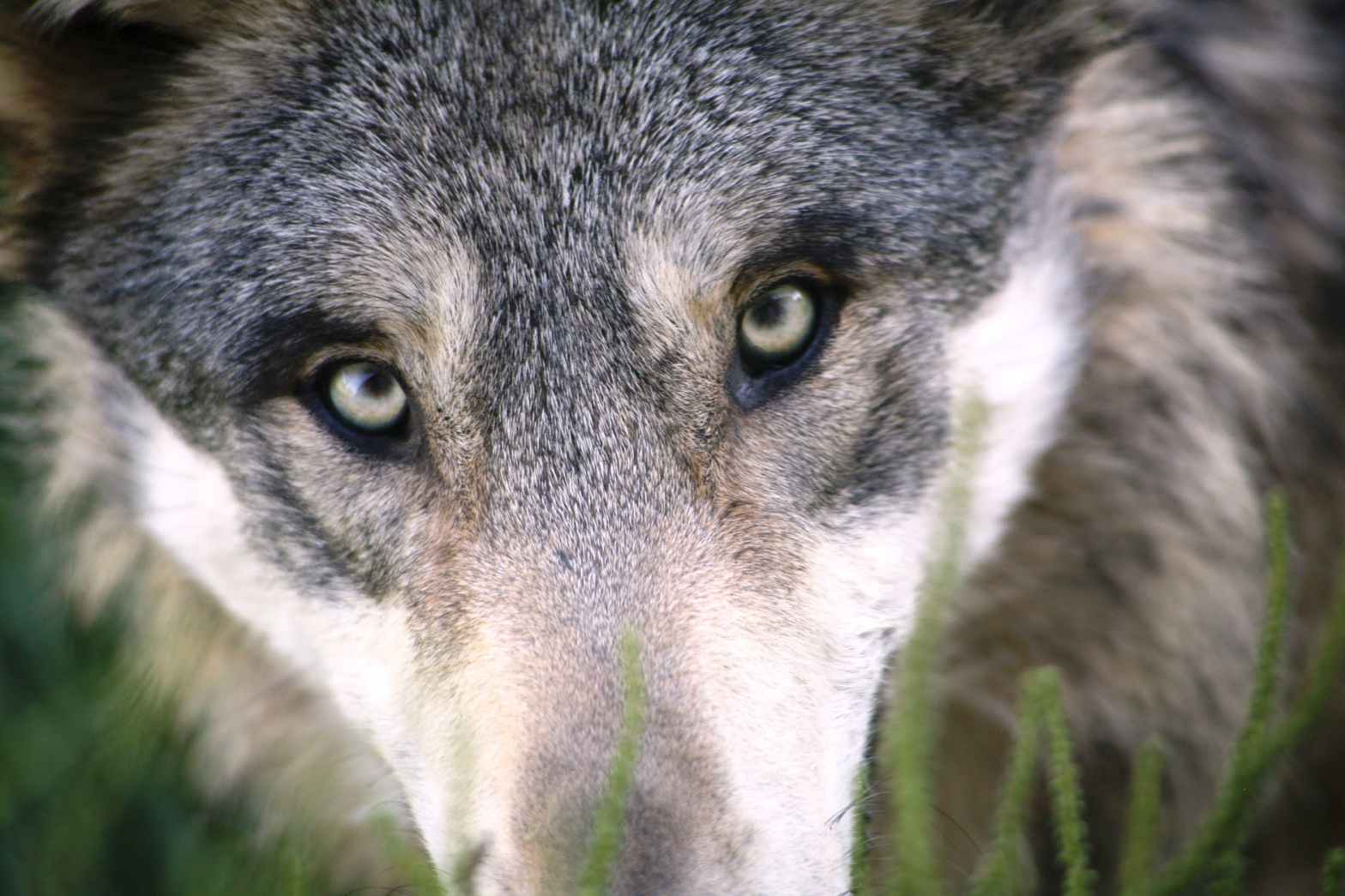
A fearsome wolf at his request grew tame –
for animal and town a happy end.
He preached to birds and even dared to claim
that sun and moon were kin, and death a friend.
The Spirit urged him to rebuild the church:
both stones and preaching seemed a burden slight,
with soul and body yoked in eager search,
his life a guiding fire, a beacon bright.
The centuries have not eclipsed the sight
of this man, naked, singing dawn alight.
Making Space for the God of the Cosmos
Making Space for the God of the Cosmos
For the patronal festival at St. Michael and All Angels, Bridgewater SA
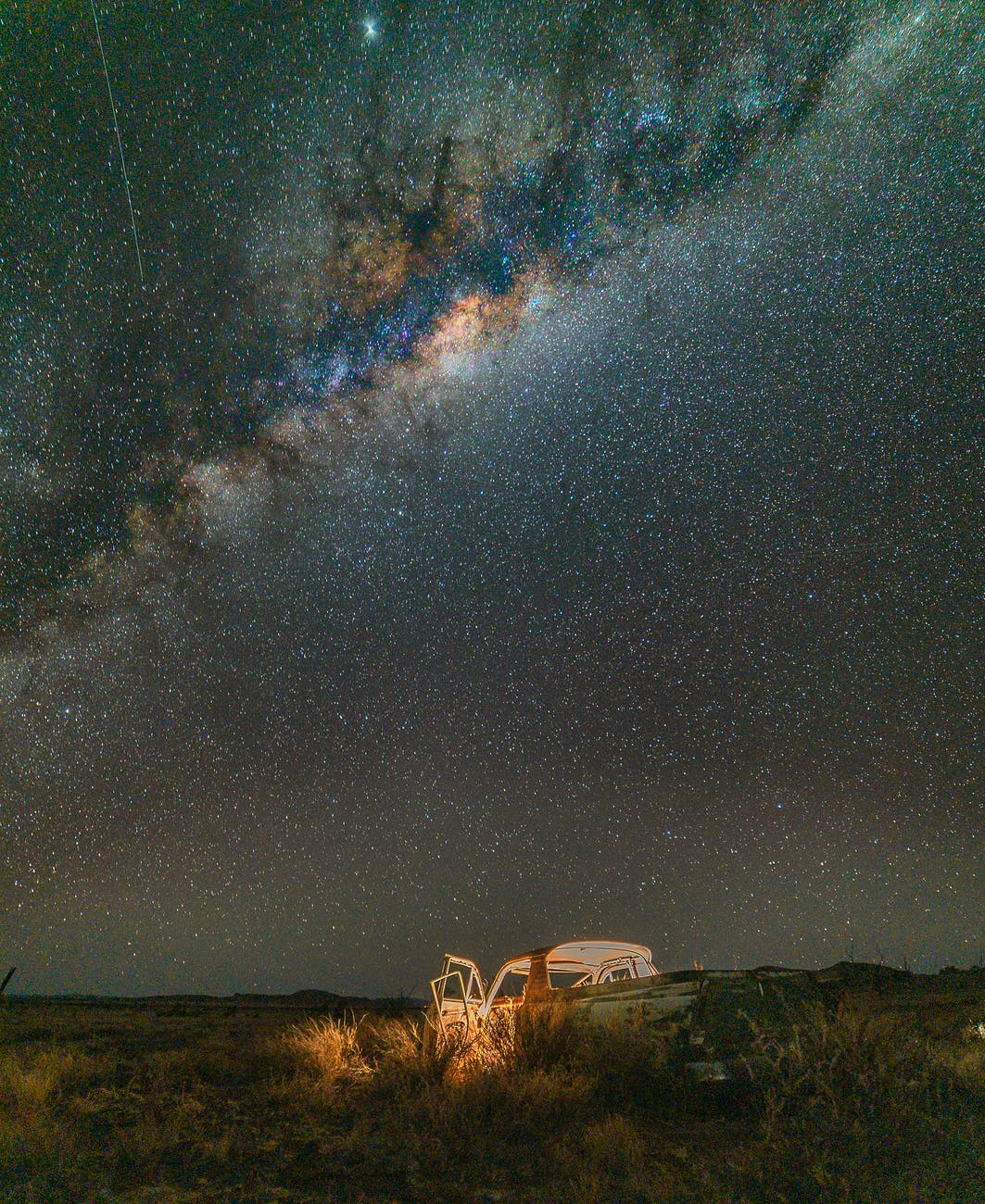
What does it take to see the stars?
Our gaze is settled on the ground.
Those minute pinpoints in the night
are blazing suns immensely far
beyond us, yet our city lights
have dimmed them, and we’re less aware.

When we were young, we’d go outside
to gaze beyond ourselves in awe,
and search to find the Southern Cross
as though to anchor us in space
amidst that wheeling panoply
of alien suns and worlds and lives.

Now though the internet provides
an image of a nebula
like angels spreading out their wings,
somehow we can’t accept there might
be angels like a radiant cloud
of awesome energy and light.

In earlier times, the heavens were ours,
a roof for Earth, and further on
and up, we’d place the realm of God
to which we might aspire through Christ,
when earthly life was laid aside
and angels brought us gently home.

But in this cosmos we are small,
and up and down are all around,
and God’s creating so immense
in light and energy and fire
that somehow interact to spark
the miracles of diverse life.

Where then are we, but specks of dust
upon a small and fragile rock
that whirls around a minor sun?
Is heaven all around us now,
and God both present and beyond,
more awesome than we ever dreamed?

On every world where beings live
the God of being surely is,
and comes as Christ to share that life,
that death, and hope of life beyond.
Do they like us refuse to look
beyond the limits of their space?

Are we the blindest of the blind,
who gaze on screens and call that life,
domesticating mystery
until we think we’re only dust?
Do angels try to draw our eyes
out to the many worlds beyond

where light flows on at constant speed,
and gravity will always draw
all bodies to relationship,
and mass to energy transforms?
Are these all forms of truth and love
and Spirit, energy from God?

The resurrected Christ it seems
still bore the stamp of earthly life
beyond the limits of space/time.
His flesh and spirit shifted place
with both still present but transformed,
ascending into cosmic Christ.

When Michael threw the fallen ones
upon the earth, our souls were drawn
to idolize the physical.
So angel messengers descend
and lift our spirits. Then God’s Word
will find a space in us for birth.
            Barbara Messner September 2016
For or Against

For or Against
Pentecost 18, Mark 9:38-50
Seems like the ones who were closest to him
wanted to claim
rights to his name.
Keep him exclusive to their chosen few:
came to complain,
sought to restrain
someone unlicensed who heals in his name:
not been approved
should be removed.

Maverick exorcist they wanted stopped!
Jesus said, “No!
Let his work flow!
Power in my name is connected to me,
for not against.
Don’t keep me fenced!
Acts of compassion all represent God,
bringing reward.
No need to hoard!”

“Those who abuse any little one’s trust –
better to be
thrown in the sea;
better to choose to be maimed, lame or blind:
salt that tastes bland
tossed on the sand.”
Do not attempt to raise walls that divide!
Grace is unchecked,
boxes are wrecked.

Labels are useless and barriers breached.
Jesus the Word
makes himself heard
in every language and through every faith.
Love is the test
God applies best.
Think you know who should be in and who’s out?
All who are for
come through Christ’s door.
 Barb, poet priest