
Waking Up in Winter
Well cocooned in winter blankets
I cling on to skirts of sleeping,
while uneasy dreams are shredded,
gone before I grasp at meaning.

Let me stay a little, hidden
in this cozy muffled stillness,
pulling up a layered muting
over morning sounds and greyness.

I admit that I’m delaying
facing cold and morning muddle,
stiffness and my fears of ageing,
while I’m curled in this self-cuddle.

Though I try to stay suspended,
something swings me into rising:
I remember impulse purchase,
soft warm pants with stripes surprising.

As I slip into their colour,
I am heartened by such boldness,
red to ward off melancholy,
grey of clouds and winter coldness.

Clown-like legs – can’t help but smiling
as I stumble into morning!
Coloured comical, I’m strengthened;
I can picture wings are forming!
Home not Home
Home not Home
Pentecost 2, Mark 3:19b-35
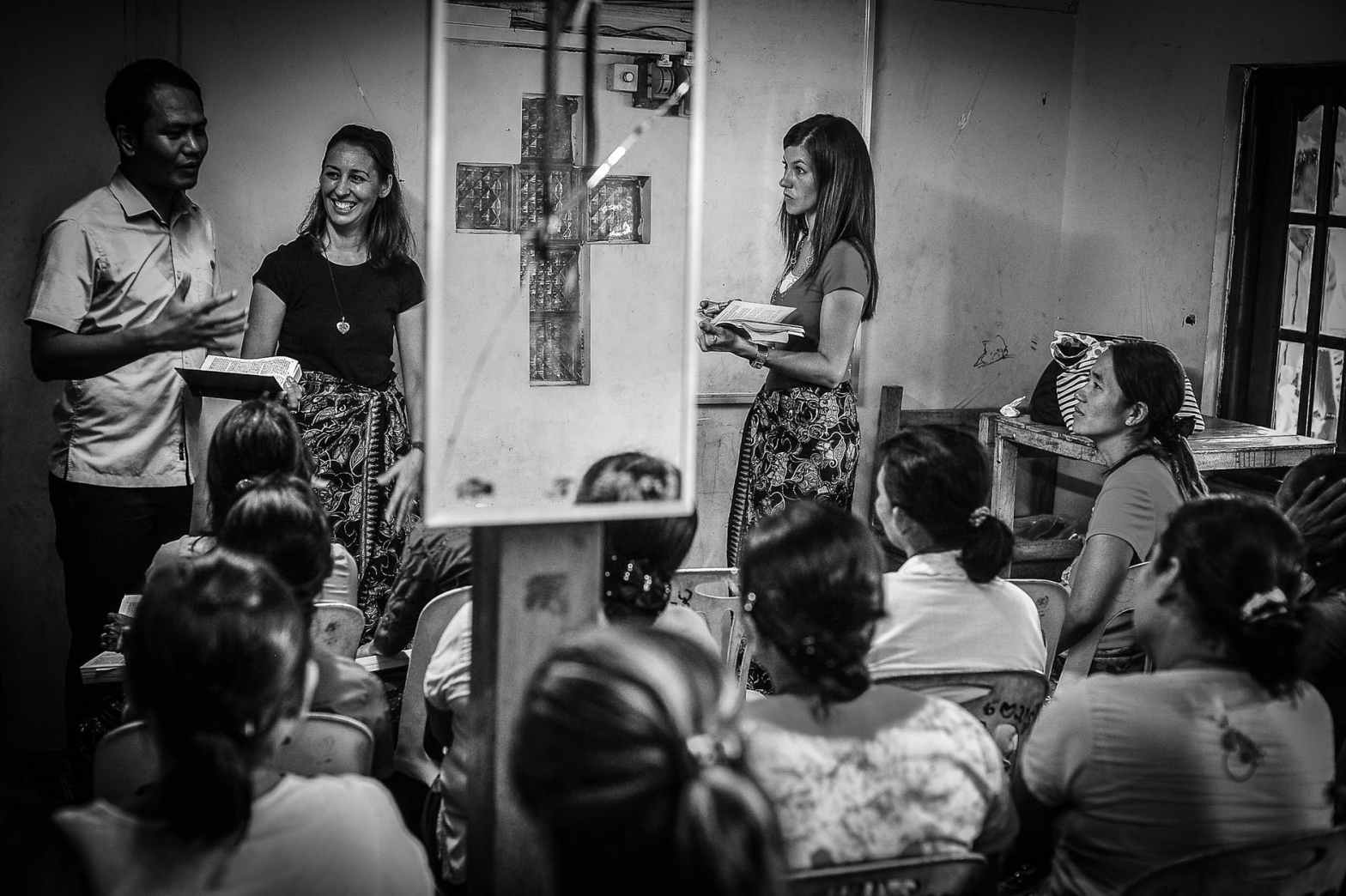
Then he went home; perhaps he hoped
for quiet time with family,
affection free of fresh demands,
a sheltered space of privacy
that might restore his energy.

But crowds came, urgent in their need,
and sought him out. The streets were lined,
and villagers, resentful, said:
“Young carpenter has lost his mind!”
Familiarity is blind.

Perhaps his brothers felt ashamed,
or thought (for his own good!) they must
restrain him, take him out of sight,
and silence him until the dust
had cleared, the town no longer fussed.

I wonder what his mother thought?
She’d be upset when scribes accused
her son of using demon power,
and fearful that he’d be abused
by those whose status was misused.

The Spirit that set spirits free
they called “unclean” in jealous spite.
He questioned whether they blasphemed
to be so closed to Spirit sight
while claiming they discerned the right.

His family were left outside –
he claimed instead a wider kin
of those who heard with open mind,
not limited by class or skin,
but linked by Spirit born within.
Nicodemus at Night

Nicodemus at Night Trinity Sunday John 3:1-17
Then Nicodemus came by night –
a man of law-trained, literal mind
replete with Scripture he could cite.
He knew his peers would be unkind,
so sure of ways they thought were right,
but he must see what he would find.

Perhaps this Jesus came from God -
some words rang true, he’d seen the signs,
but what he heard this night was odd,
and blurred the clarity of lines
to which he’d always given the nod,
assured by what the law defines.

What might it mean to be reborn?
His reason would not give that room,
and challenged, he replied with scorn:
“A second time in mother’s womb?”
Yet hope was stirred like wind at dawn.
If God is love, the world might bloom.

“How can this be?” A longing doubt
unsettles all he thought he knew.
Sometimes like him we twist about,
and try to test what might be true,
but then God’s love will call us out,
and Spirit birth a life made new.
Pentecost

Pentecost Acts 2:1-21 (written 2005)
The flames still strike,
though the walls we hide behind
for fear of fear and fire
are more opaque,
the cracks papered over
with copies of The Times,
The Age, The Advertiser,
and Sunday Mail.
It’s hard to speak
an unknown tongue
in such a spate
of foreign news.

The flames still burn,
the words still form,
though our upper rooms
are more distant
from the pilgrims
in the street, and we
who try to wait and pray
are seldom together,
huddled in corners,
clutching our separate books
of rules and forms more dear to us
than any unbridled tongue
the Spirit speaks.
We light our small safe candles
in lieu of risky flame,
and mute ecstatic experience
into private devotion.

The wind still blows,
but to fill the entire house
it must batter doors,
tear down shutters,
rip the headphones from our ears,
and television sets from the walls
to let us see and hear.
We still wait for resurrection
while the Risen One walks
unheeded through our walls,
and raises wounded hands,
and waits to breathe on us,
to stir the flame
and speak through us
the words that can be heard.
From Autumn to Winter

From Autumn to Winter
In middle May the seasons shift
and winter looms in one bleak week
while leaves still fall and twirl and drift.
The south wind chills my wrinkled cheek
and stirs the leaves to swirl and lift.

I stand to watch them sifting down:
some join the scatter on the ground,
their fading gold among the brown,
while others ride the wind around,
and some still cling to summer’s crown.

I see myself at this life stage:
a part still clinging to the tree,
that burgeoning of middle age,
while I have dropped some parts of me
that held me in like outgrown cage.

Come, storms and cuts that shape and prune,
reducing my unbalanced spread.
The song birds still unfurl their tune
from branches bare, or dry and dead,
and leafless twigs can frame the moon.

So I must stand in that cold breeze
and let it strip the growth that’s past.
The winter frost works change in trees,
and rich soil forms where leaves were cast,
so now I wait for buds and bees.
Destined to be lost – and found?

Destined to be lost – and found?
John 17:12, Acts 1:15-17,21-26, Matthew 27:3-10, Easter 7

If one or some are destined to be lost
in order that your word might be fulfilled,
are they not also yours, O Lord? What cost
to Judas when his desperate hope was tossed
upon the temple floor with silver spilled?

For when he saw his friend condemned to die,
he tried to change his choice and buy him back,
but “What is that to us?” was their reply.
The silver bought a field where strangers lie,
and Judas took his life at mercy’s lack.

Did Jesus find him then beyond the grave,
and offer absolution in his need,
restoring him to love he still must crave?
Can there be those eternal Love won’t save,
those destined to be lost, not found and freed?

There may be some with evil so imbued,
they set themselves upon a path apart
from God and love in some unending feud
that gives no space to turn to life renewed,
no chance to soften to a change of heart.

Yet God still wills that love should save us all,
and Christ can heal the ills that warp the mind.
Nailed on the cross, he raised us from the fall
the world has suffered under evil’s pall,
restoring hope to all of humankind.
Joy in Love of Birds
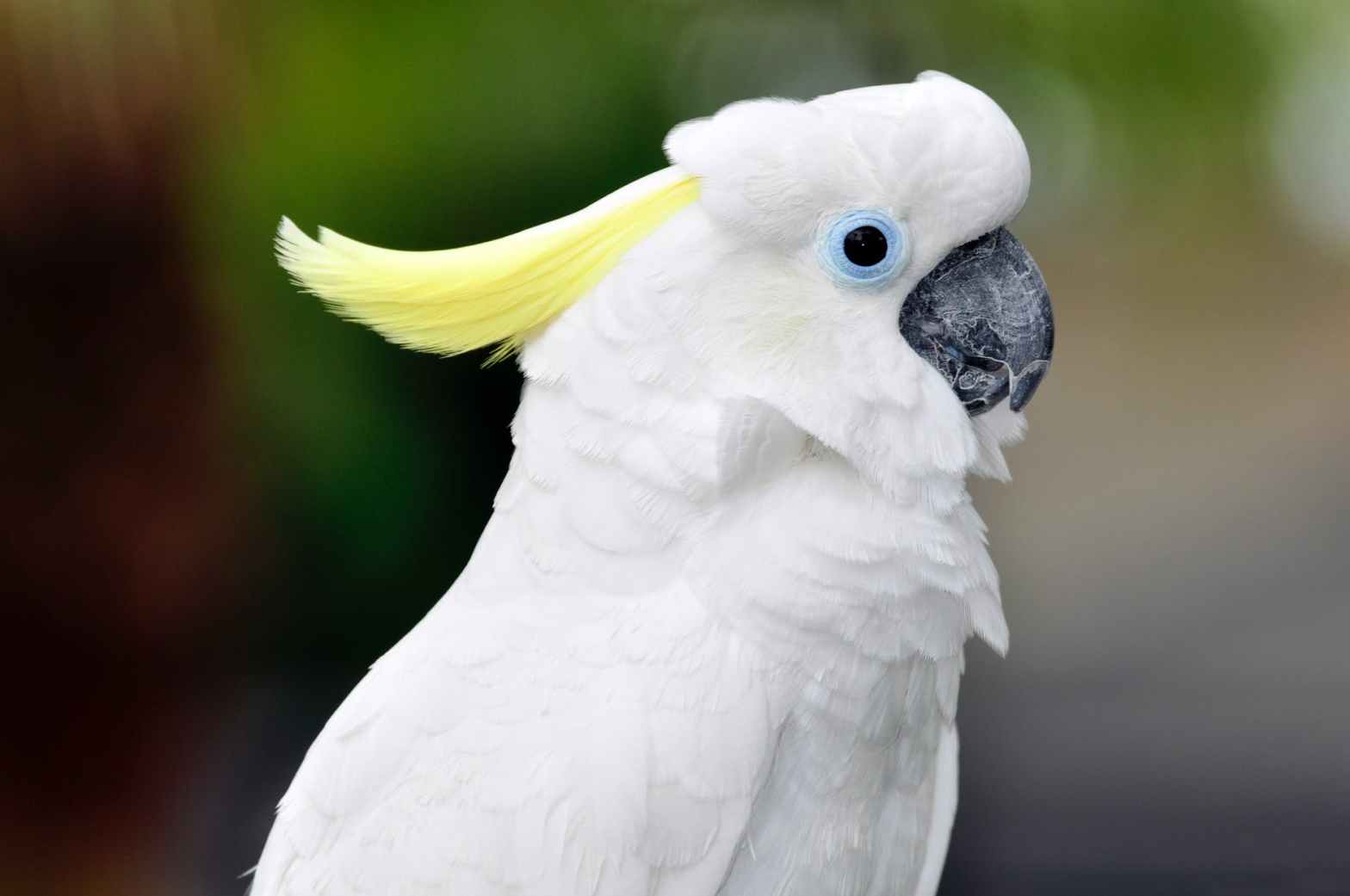
I fell in love
with cockatoos –
head over heels,
too moved to choose.
A chord was struck,
connections made:
it felt as though
a duet played.

For several weeks
I saw the blacks’
impressive wings
and arrow backs,
the stripe of gold
beneath the tail.
Their flight would snare
my soul to sail.

My time would halt
to watch them eat
with clicking beaks
and grasping feet.
Their yellow patch
was a surprise –
a clown-like touch
below their eyes.

But when they raised
their regal crowns
or flared their tails,
forget the clowns;
and when the pair
embrace the sky,
“O beautiful!”
I call, and cry.

One evening
in the fading light,
they passed above
in low, slow flight,
and something in me
said “Farewell!”
The seeds are gone
and they depart,
and I am left
with longing heart.

Then came a white
with sulphur crest
and raucous call.
Soon four abreast
on small bird bath,
they bowed and drank.
I laughed with joy,
and prayed to thank.
Joy after Pain
Joy after Pain Easter 6, John 16:16-24, John 13 - 17
They didn’t know that supper was the last.
He washed their feet, a sign they had arrived
from those shared journeys that he knew were past.
He taught in hopes his loving words survived.
He spoke of joy that follows after pain,
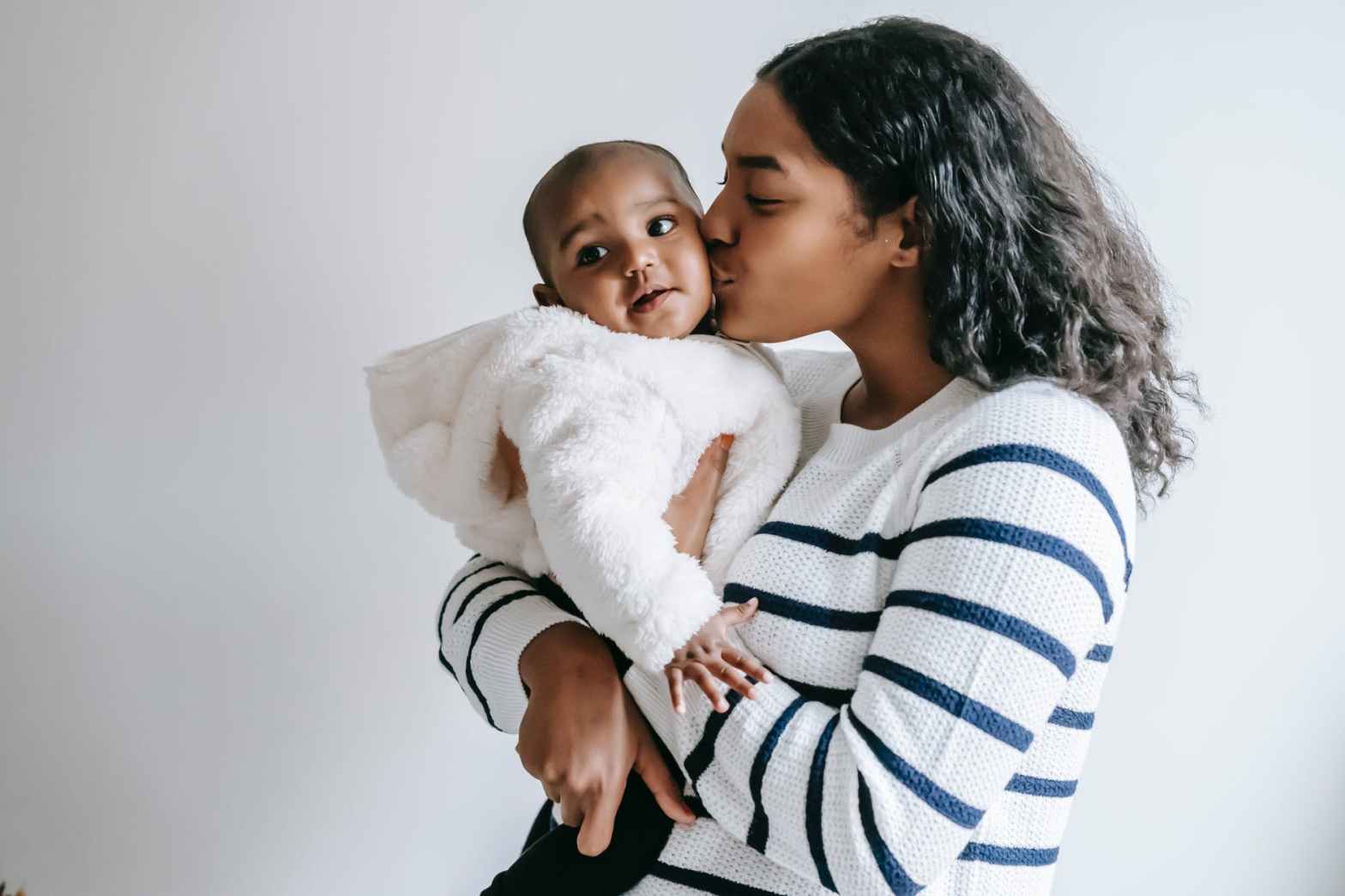
as when a woman labours to give birth,
for that new life is worth the fear and strain,
the primal surges, strong as quaking earth.
His loss would pierce their souls as spear his side,
but he assured them that he would return.
He died betrayed, abandoned and denied,
yet that last night he taught so we might learn
that tomb and womb are both a sacred space
from which new life emerges, gift of grace.
God is love
God is love  (Easter 5 John 15:1-8, 1 John 4:7-21)

All people who use language
are second-hand word-mongers:
we mangle words or varnish
by buying into meanings
to suit rival agendas.
We fumble in our juggling,
and truth becomes entangled
with hurts to which we’re subject,
and what one hears, another
would never have imagined.

So “God is love” gets twisted
for some who hear “Our Father”.
They might have had a parent,
unreasonably controlling,
whose harshness warps the nature
of their resistant children.
Then “God” and “love” seem hollow,
and protest shapes a cynic
whose love is sparse and godless.

Yet “God is love” is speaking
of wisdom sourced in wonder
at what we see in Jesus –
a God more than Creator,
a wise and gracious parent:
compassionate and caring
for all that is becoming,
forgiving finite creatures
their limited awareness,
their fear for their survival
that warps their best intentions.

When we abide in Jesus,
it helps refine our loving.
Our “me-first” competition
for limited resources
transforms into the service
we base on his example.
We give from our abundance,
so grateful for receiving,
and sometimes try to offer
self-sacrificial caring
not just to those we value,
but enemies and strangers.

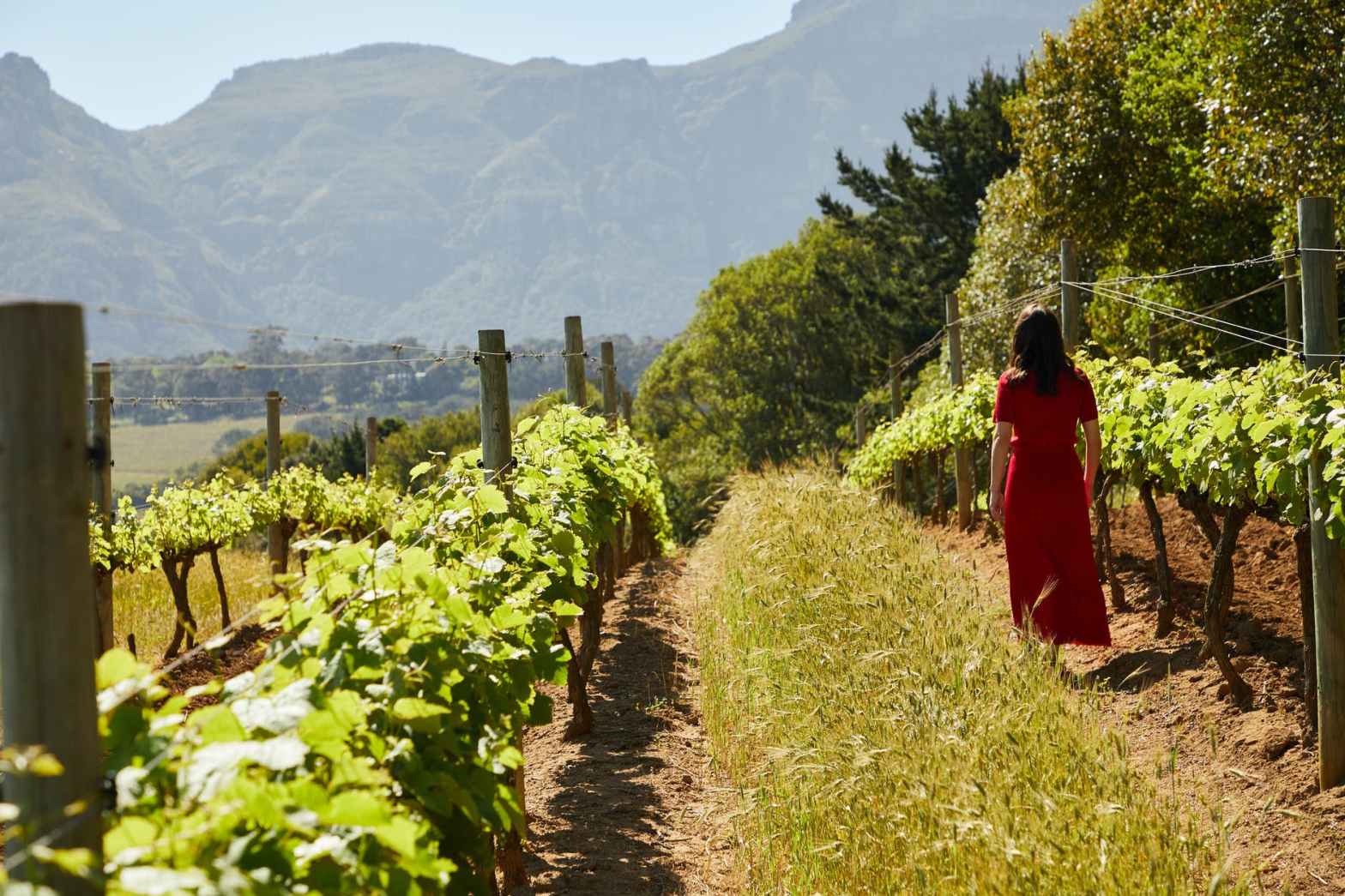
When Jesus speaks of pruning,
it’s not an angry stripping,
but shaping for our fruiting
with stronger upright branches
that show the vine’s true nature.
What falls away enhances
resilience and balance.
Since God is love, and Jesus
embodies what such love is,
when they abide within us
our love will bear their image.
Anzac Day Sonnet
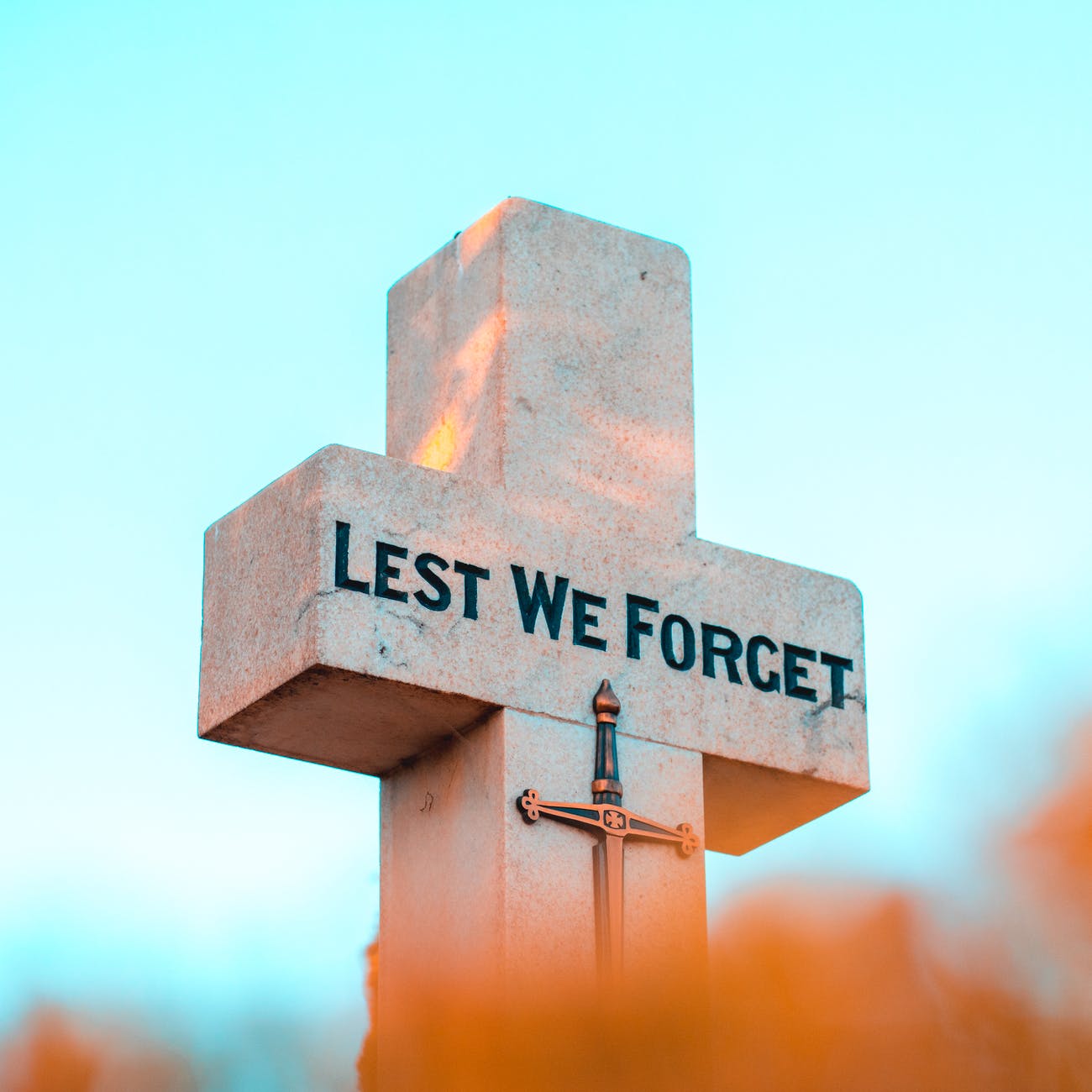
Anzac Day Sonnet for Sunday 25 April, Micah 4:1-4, John 15:9-17

To act in love entails some sacrifice
when others’ needs outweigh our hopes for self.
Then we may feel we’ve paid a heavy price,
and seen what we could be put on a shelf.
To act in nations’ conflict may require
the risk of death, or flesh and mind in pain.
Yet selfless acts of people under fire
show some prepared to pay that price again.
Now though we pray that war should be no more,
and money spent on armaments be turned
to save the planet and sustain the poor,
yet genocide and terror must be spurned.
Remember those who die at duty’s call,
who in their love, like Jesus, give up all.
 Barb, poet priest