Transformation Time
Epiphany 2; John 2:1-11
Sometimes, like Mary at the wedding feast,
I see a need in those for whom I care,
and point it out to God, hoping at least,
if I dare ask, the cupboard won’t stay bare.
Like Jesus, God might say, “Now what concern
is that for you or me? It’s not my hour.”
Oh, let me love like Mary; let me learn
a patience that still hopes for grace to shower.
“Do what he tells you,” Mary dared to say,
and they put water in and drew out wine.
The steward thought it strange at end of day
to offer drunken guests a drink so fine.
At transformation time, one task is mine –
to draw the water, trusting in the wine.
	Barbara Messner 13/01/2022
Song for Epiphany

Song for Epiphany
Matthew 2:1-12 (written to fit the Irish traditional tune Columcille, as arranged by John Bell, Iona Community, for his song No wind at the window, Together in Song 287)
What star can I follow
to kneel in that place?
How far will I journey?
What doubts dare erase?
And if I can find him
what vision might glow?
What fulfilment? What belonging?
To be known and to know?

Though traps of the powerful
might lure me astray,
the star at my heart’s core
will show me the way.
My arrival is joyful,
my homage sincere.
Are there gifts for me to offer?
I have little, I fear.

But giving that little,
I find there is more:
all learnt from the past now
becomes a fresh store.
What I thought was failure
is now a resource.
There is nothing that is wasted
when renewed at the source.

Returning, I follow
a dream-guided way,
and see the familiar
become a new day.
Though far I have travelled,
I know he is near,
and my gifts and search for wisdom
will in him become clear.
	Barbara Messner 5/01/2022
Christmas Here and Now
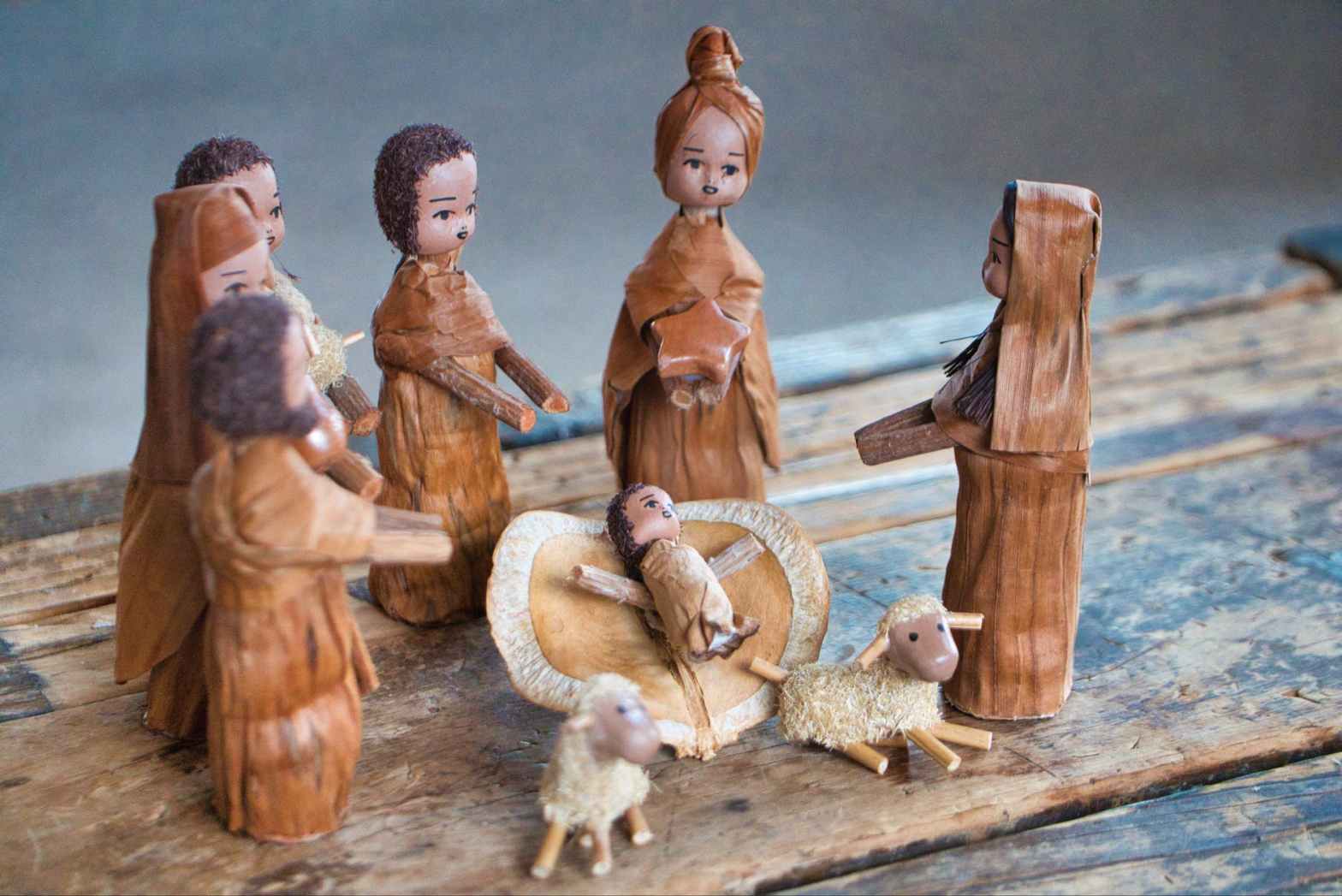
No new poems this week – I’ve taken a couple of weeks off, coping with the delights and stresses of fostering the greyhound we hope to adopt, Misty. So I’m posting some Christmas poems from the past, this one from last year.
Christmas Here and Now
Precarious - our lives in covid’s wake:
decisions jolt and shake like quaking earth.
We flinch, like Mary who must undertake
a cold and lengthy journey close to birth.

Here work is lost, domestic violence flares,
while changing rules add burdens to our backs,
but think of riding with the weight she bears,
while he leaves work that might have paid the tax.

Here some will lose a business or a home,
while she is homeless when her pains begin:
such consequences do not trouble Rome,
while now the greater good must hedge us in.

It’s here we find God with us, not to take
us out of what we suffer, but to be
beside us in the heedless mess we make,
and in the dark to hold yet set us free.

So Mary who said “Yes” to bearing God
is inspiration as we try to birth the Word
in places where our rituals seem odd,
our depths of meaning treated as absurd.

Perhaps, as faith roams homeless, we are drawn
to find our kinship with each weary beast:
as creatures, see Creator’s presence born
among those burdened, treated as the least.

For Jesus is not cradled like a king,
but sleeps on straw where animals are fed,
and though perhaps he hears the angels sing,
he suffers and is numbered with the dead.

Creation bleeds when humans fail to see
that exploitation brings us to the brink,
and greed and power will never let us be
impervious to loss as we might think.

The one who sets aside all claims to power,
and dares to walk in vulnerability,
as we must too, to face his final hour,
is here and now what transformed lives might be.
		Barbara Messner 22/12/20
The Word of God and the Wisdom of God

The Word of God and the Wisdom of God
Christmas: John 1:1-14, Hebrews 1:1-4
The prophets wrote: “Thus says the Lord.”
The price they paid to share God’s word
was more than we would dare afford,
but they must speak, ignored or heard.
What was it like to be God’s Word –
a living challenge to our ways,
a voice of love that seems absurd
amidst our spite and power plays?

A word has an uneasy fate,
as meaning shifts to suit our ends.
The longing to communicate
grows dazed around too many bends.
Yet God still takes the risk to be
a word immersed in human minds.
We read, but can we learn to see
beyond the certainty that blinds?

For what we humans think we know
is meagre, warped or second hand.
God’s word is small, takes time to grow,
like baby practising to stand.
Before the Word takes form within
it seems like babble in our ears.
We turn away to block the din
of cries of hunger, pain and fears.

But when the Word begins to speak
a resonance becomes a call
in all who stumble on to seek
a wisdom that can lift the pall
of anxious, meaningless non-life.
That Word stirs insight, frees the soul,
makes peace amidst chaotic strife,
and sings with joy in being whole.
	Barbara Messner 22/12/2021
Elizabeth Greeting Mary
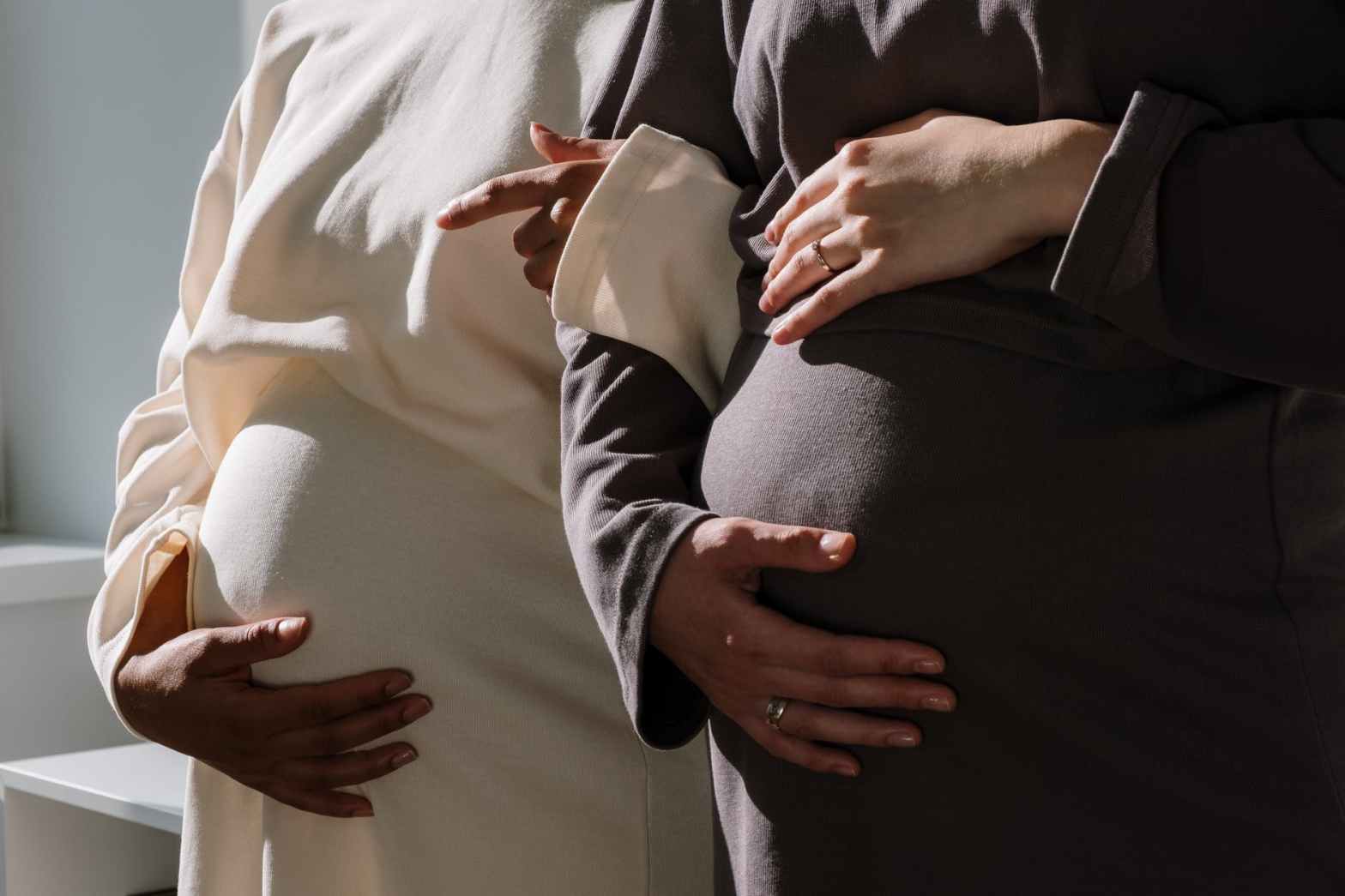
Elizabeth Greeting Mary
Advent 4; Luke 1:39-45
I call her blessed, and so it seems am I,
with new life growing in a womb long bare,
and though as victims both our sons might die,
their purpose justifies the risks they’ll share.
A fearless prophet waits to leave my thighs,
the one who’ll dare to shout “Prepare the way,”
while from my cousin’s angel blessed surprise
comes one who’ll bear the light of God’s new day.
The Spirit stirs when we two mothers meet:
we sense we bear the gifts that others need.
My baby leaps for joy; my life’s complete,
and in fulfillment, power to bless is freed.
God’s word comes pouring through us as we praise –
two women prophets, eloquent, ablaze.
	Barbara Messner 17/12/2021
Blessed among Women
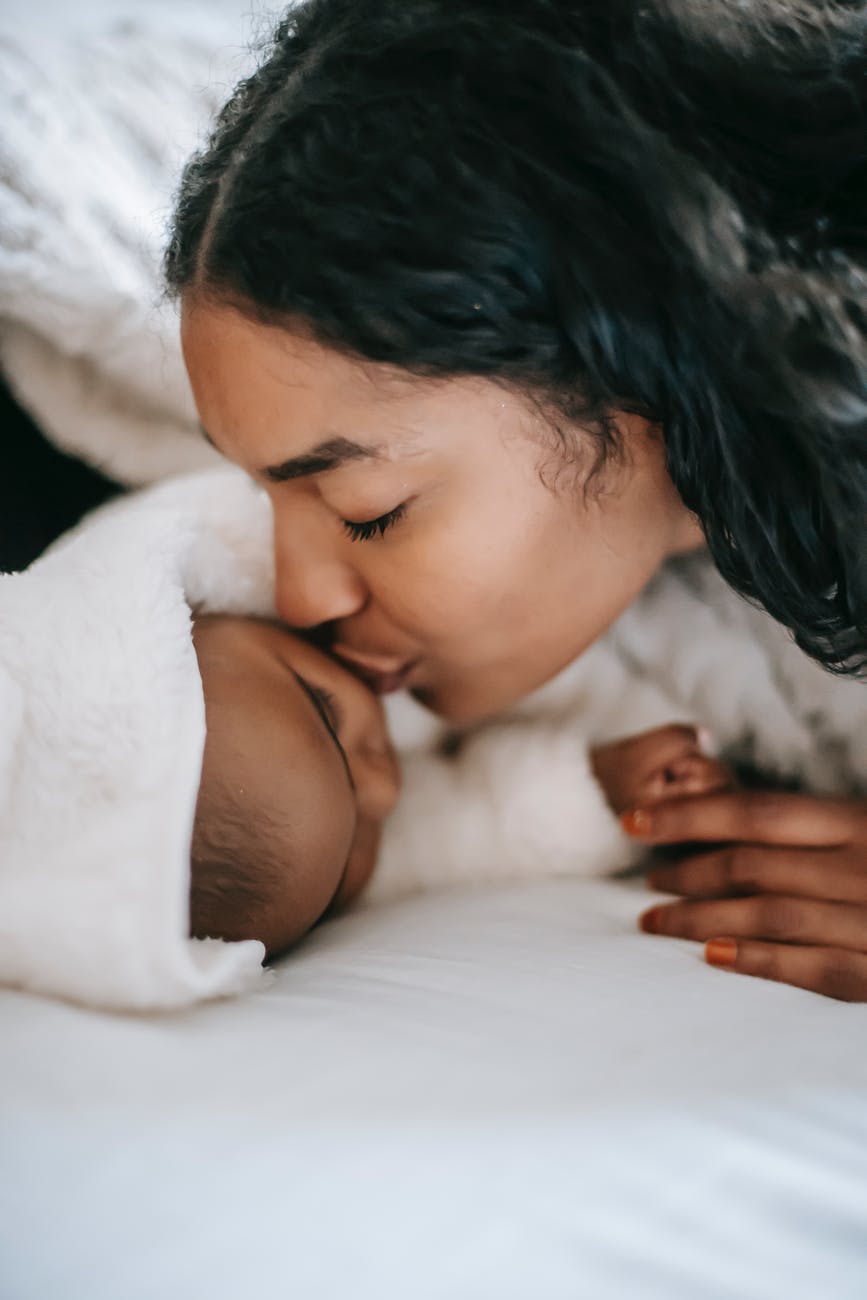
Blessed Among Women
Advent 4: Luke 1:39-45
Then Elizabeth, filled with the Spirit,
said that you would be blessed among women,
but we struggle to see you here, Mary,
though we long to take part in that blessing,
in the God-bearer’s loving and knowing.
Come and teach us your gift of commitment:
“Let it be with me as God is saying.”

It is hard to relate to you, sister,
for our images do you no justice:
there’s Miss Anglo in blue with a halo,
or some icons surrounded by gilding
with your lap as a throne for the baby,
or the glass that is clear for the God-light
with no stain of identity showing.

Yet the Word is, we’re made in God’s image:
our uniqueness can honour the baby,
with diversity given as blessing.
We are all of us chosen as you are
to be pregnant with God growing human,
and your brave “Let it be” is not passive,
but an act of inspired co-creating.

Mother Mary, as woman we need you:
giving birth in a non-sterile stable
with no mid-wife but animal females –
an old ewe or a nanny goat, watching
as you labour in straw for your young one
with the mess and the primal expression
of the pain and the wonder of living.

How we need your intuitive wisdom!
Let our hearts learn from you how to ponder,
how to cherish each sign of maturing,
every insight and graceful unfolding.
You’re our model for motherly loving,
as your child becomes leader, then victim,
and you’re there for him, dying and rising.
   Barbara Messner November 2018
With Joy You Will Draw Water

With Joy You Will Draw Water
Advent 3: Zephaniah 3:14-20, Isaiah 12:2-6
Joy bubbles up like some underground stream
channelled anew to this hidden dry pool.
Out of the depths it bursts into the light,
mating with air in bright bubbles and mist.

Maybe these waters remain for a time;
maybe they’re gone soon after they’ve come:
yet they awaken the ground all around;
greenness emerges and soon there are flowers.

So we’re encouraged to sing and rejoice,
let go of fears that have weakened our hands.
Prophecy claims God rejoices in us;
love soaks the driest of seeds into life.

Joy is the drawing of water from wells,
hidden in depths but raised up cool and clear.
Joy is refreshment in thanks and in trust –
healing distilled from the ages and earth.

Know that in flower and in flow God comes near;
shame will be changed and the outcast restored.
Gather like waters that flow into pools,
pray in thanksgiving and sing out in joy.
     Barbara Messner 8/12/2021
Prepare the Way of the Lord

Prepare the Way of the Lord
Advent 2: Luke 3:1-6, Malachi 3:1-14, Luke 1: 68-79 (Song of Zechariah)
There are voices who cry out within our wilderness
for the sake of Earth and desperate refugees,
for the dispossessed First Nations still without redress
and the women with no voice to frame their pleas.

Like the Baptist at the Jordan, they cry out “Repent!
Turn from exile, seek to set the crooked straight!
Now prepare the way for One who surely will be sent,
who has come, and will be coming, soon or late.

Every valley shall be filled and every height stripped down,
and the lowly and rejected find their place,
while the proud and mighty tumble from the heights they crown,
and the slow and steady tortoise wins the race.

Who can stand when they are tested by refiner’s fire
that will burn away the dross and leave the gold?
Then self-satisfied oppressors see their power expire,
and the ones who spare no warmth will feel the cold.

Then the dawn that is God’s mercy will break out on high,
and all loving souls will worship without fear.
There’ll be freedom with no clash of arms or battle cry,
in the peace that shows God’s kingdom has come near.”
	Barbara Messner 1/12/2021
Season of Despair or Hope
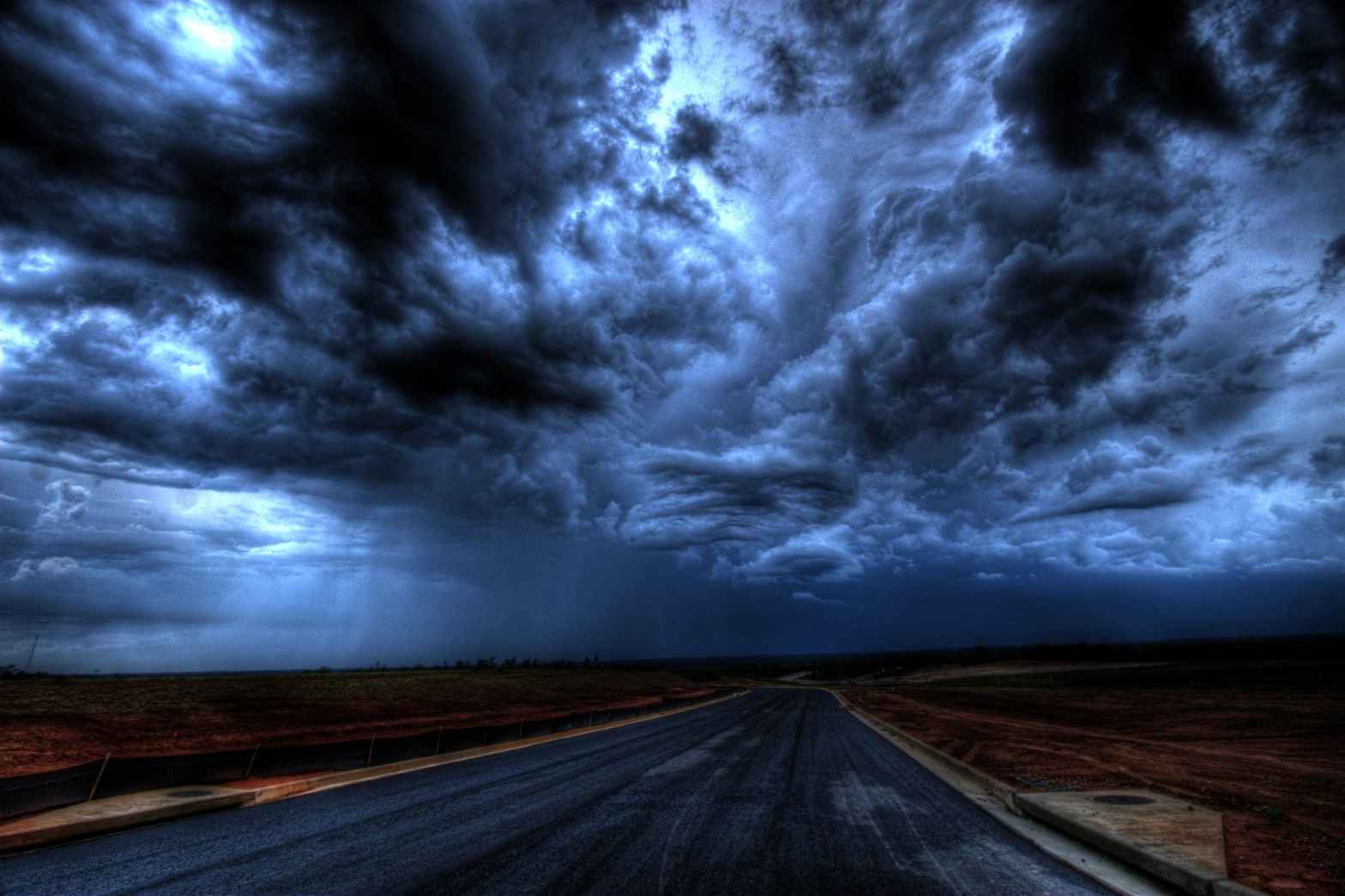
Season of Despair or Hope
Advent 1, Luke 21:25-38
Yes, now there’s distress among nations on earth,
and signs in creation that few eyes dare see.
There’s fear and foreboding, and pain before birth,
but hidden growth waits in each season-bared tree.

Apocalypse now or the kingdom come near?
The promise of summer or portent of hell?
Humanity’s poised with the future unclear:
wake up, be alert to the climate change bell!

It may be in crises the Human One comes,
with power to awaken compassion and awe.
Then out of our discord, new harmony hums,
and hope can make music that opens a door.

Come out from possessions; stand up and raise heads!
Redemption comes near out of ruin and tombs!
The roaring of chaos that everyone dreads
precedes new creation undaunted by dooms.

Don’t weigh down your heart with the worries of life!
Don’t turn to addiction to deaden your fear!
In prayer and awareness, see change come from strife,
for seasons in God’s hands reveal a new year.
	Barbara Messner 25/11/2021
Christ the King

Christ the King
Christ the King, John 18: 33-37, Luke 23: 32-43
This Jesus is king like no other:
he reigns without hoopla of power:
no practised parading of armies,
no throne room and no prison tower.
It’s risky to vie for his favours:
the cross is a hard way to rise,
and thorns crown the brow of his highness,
this leader who won’t compromise.

He’s taken the part of the victims,
and offered himself in their place,
refusing to answer accusers,
forgiving their crime to their face.
The ones who feel threatened abuse him:
his silence is eloquent still,
and speaks of a wideness of mercy,
and love that no evil can kill.

Of those who must suffer beside him,
there’s one who would choose to deride,
but one who asks humbly, “Remember,”
will find there is grace at Christ’s side
to carry him into God’s kingdom.
The death he must live through on earth
has shown him the kinship of Jesus
and opened a realm of new birth.
Barbara Messner November 2016
 Barb, poet priest